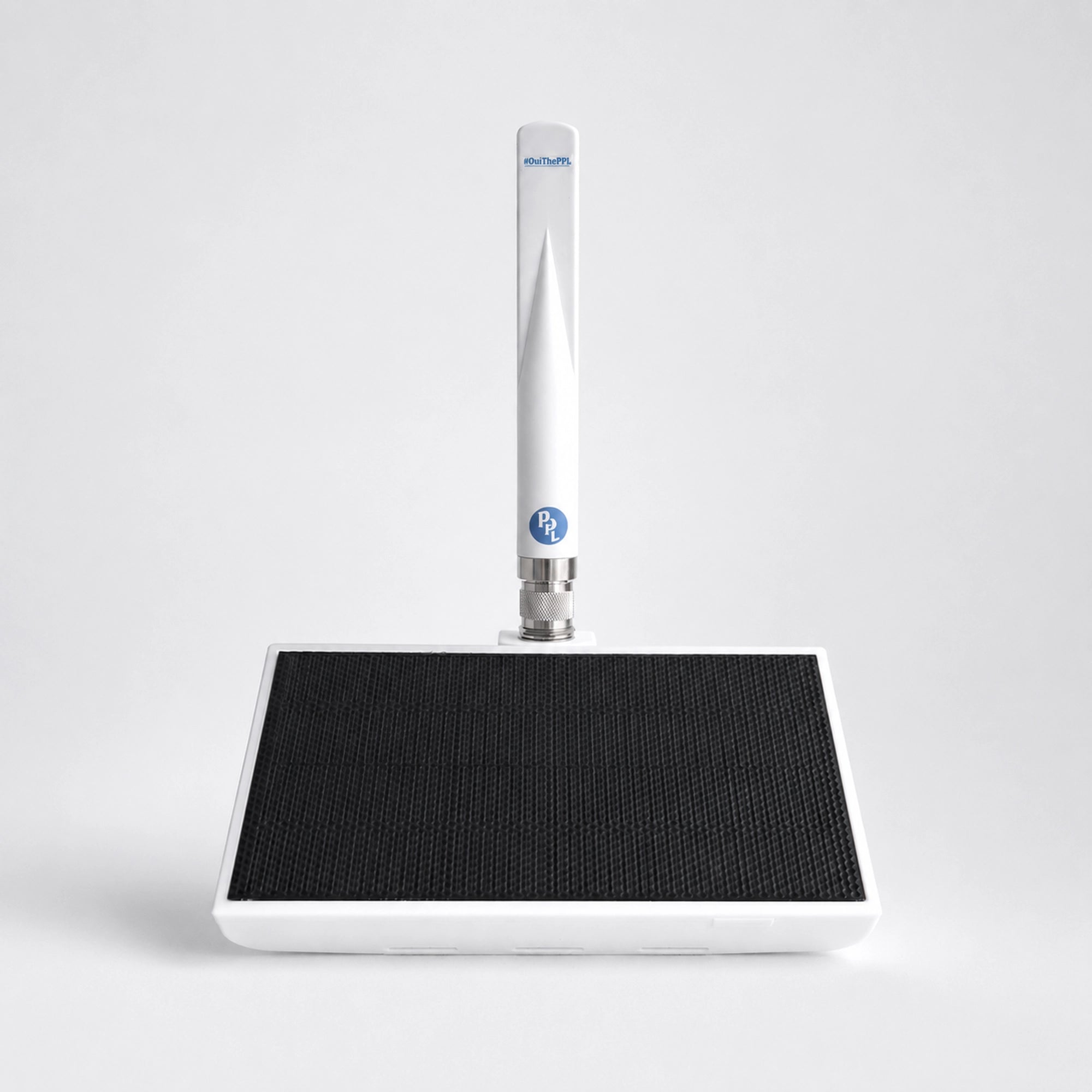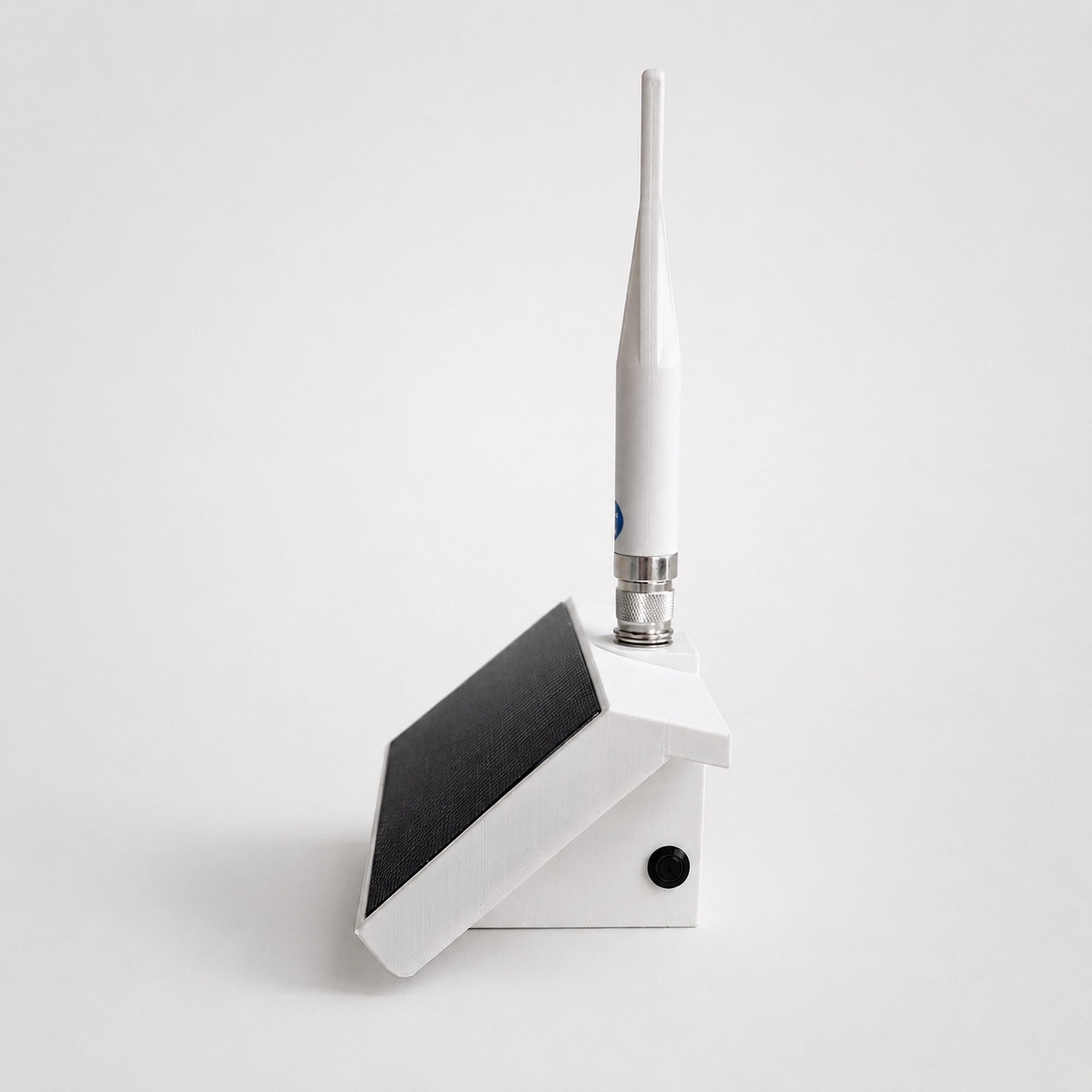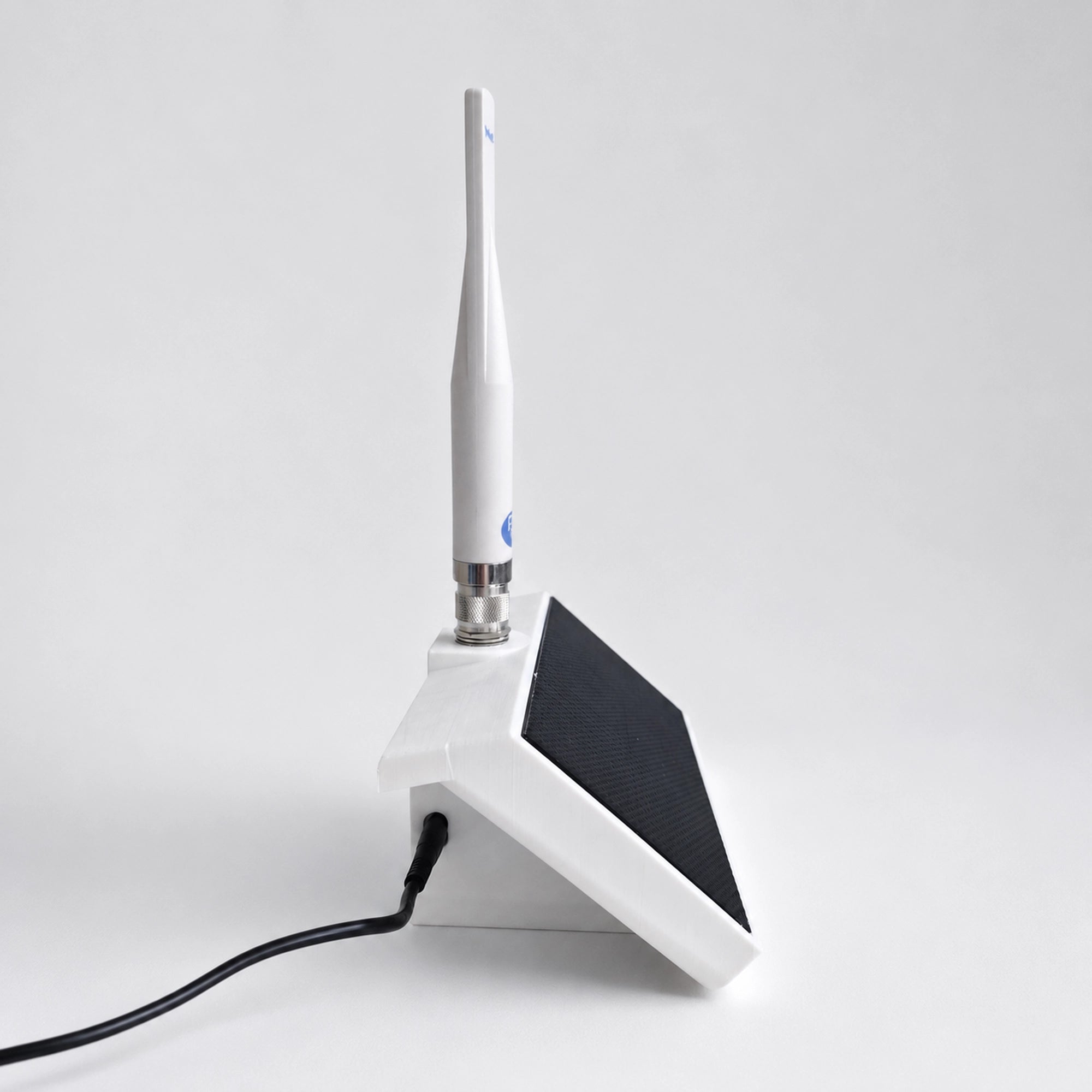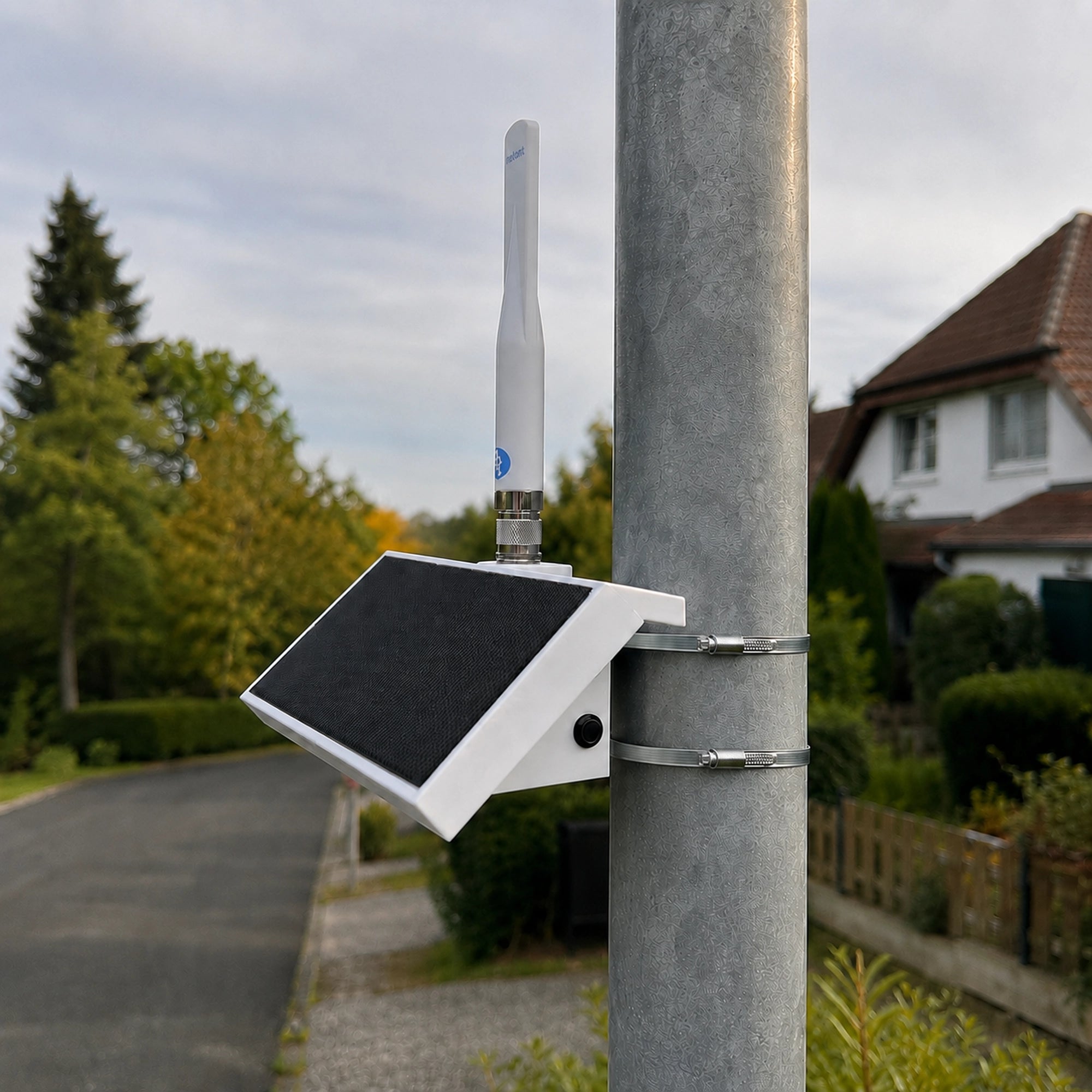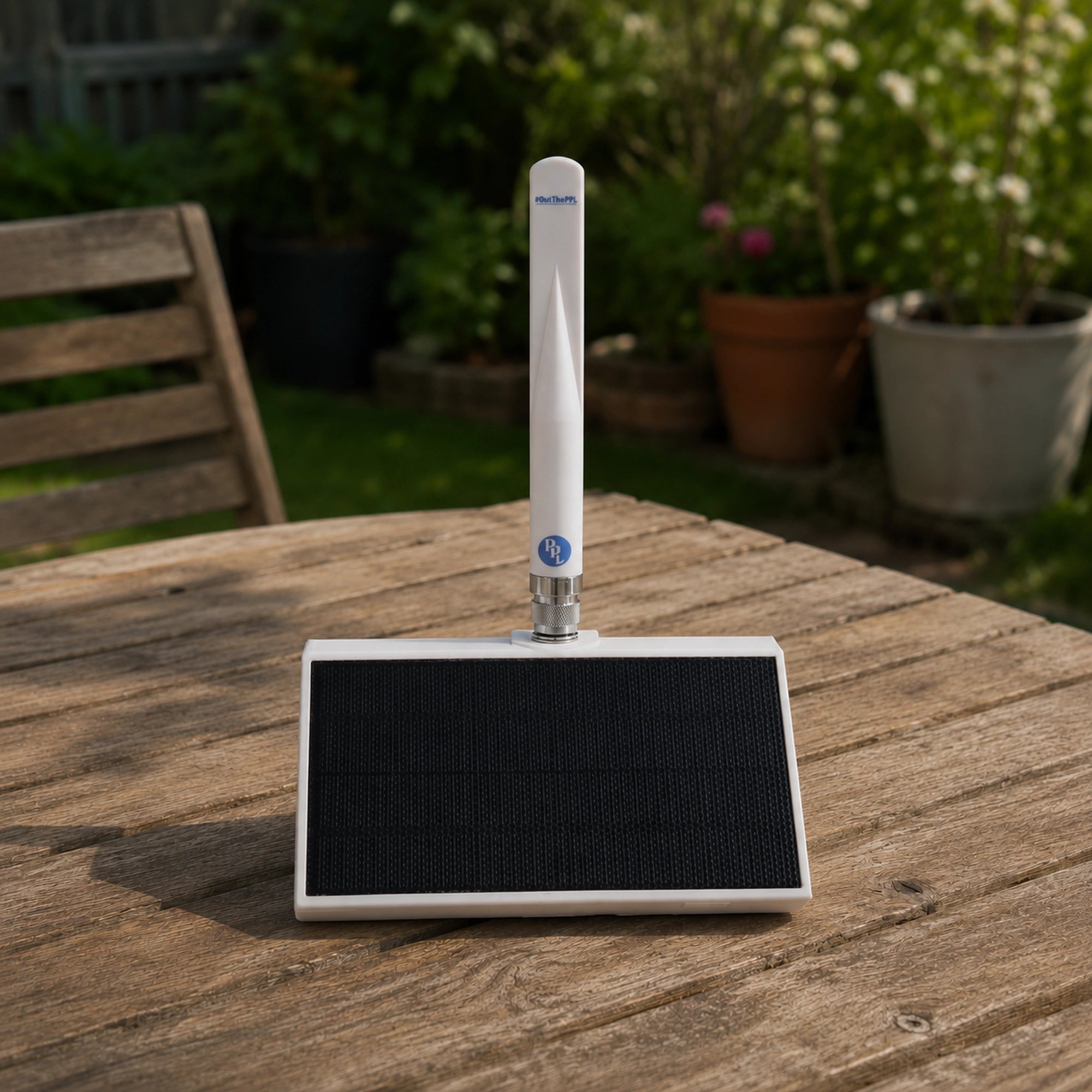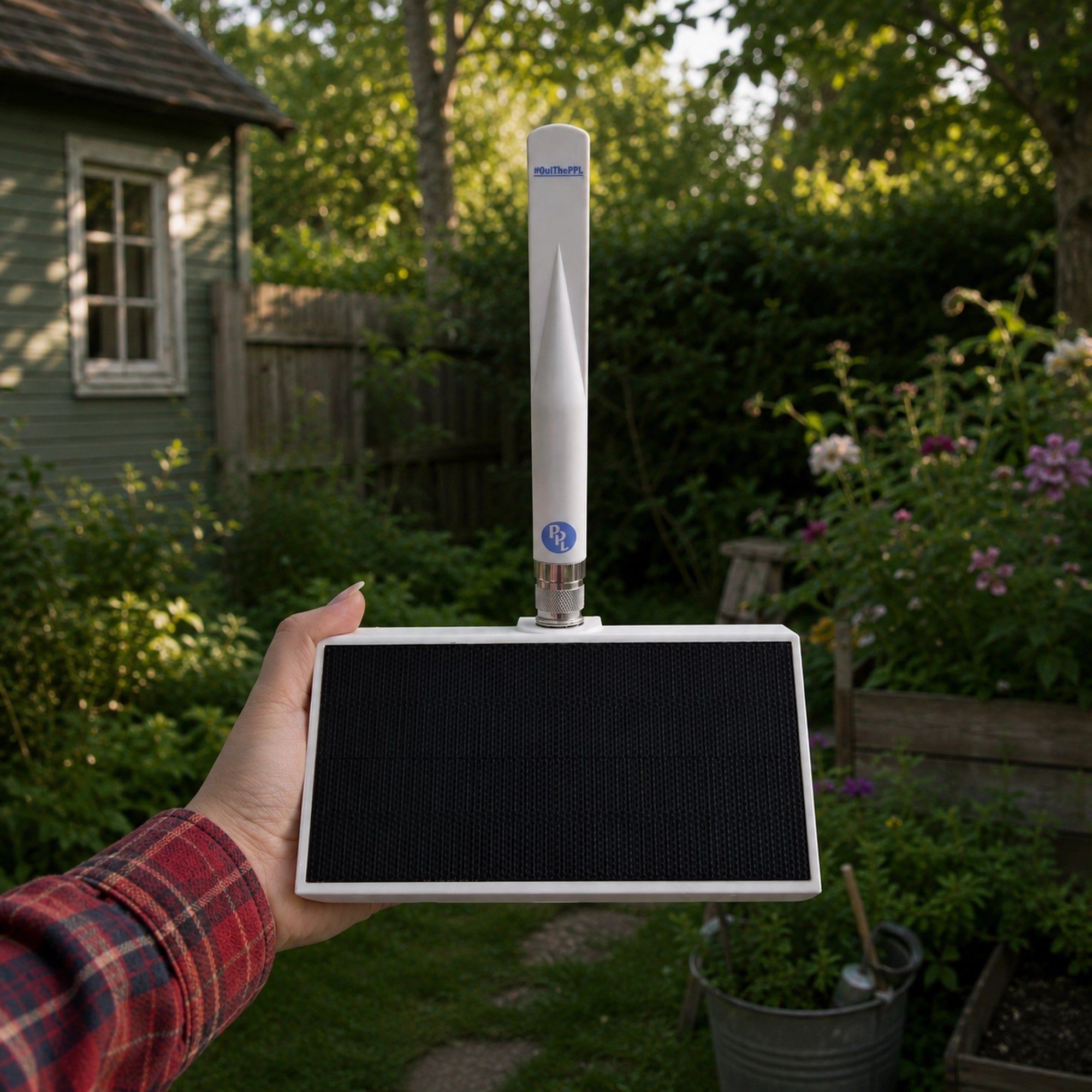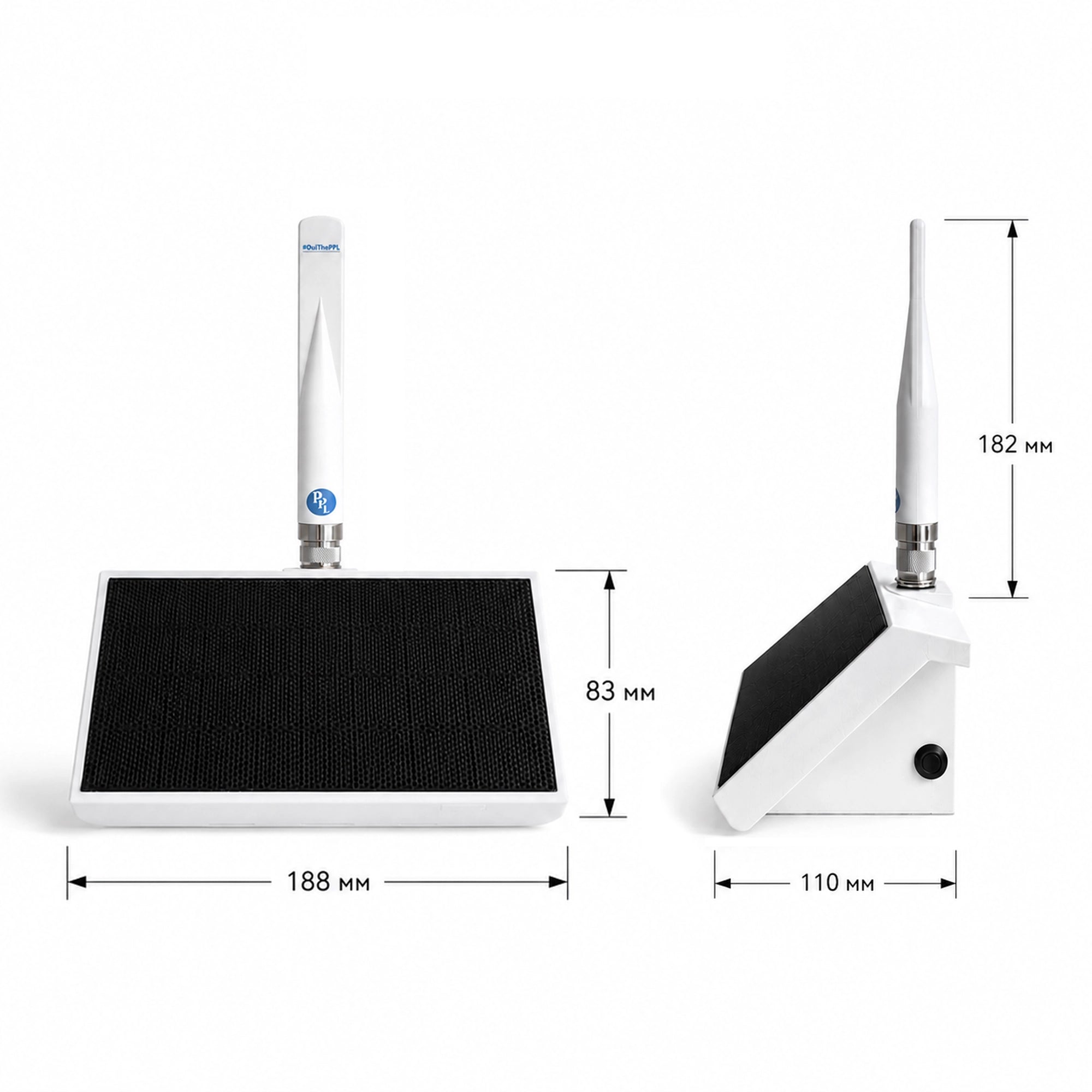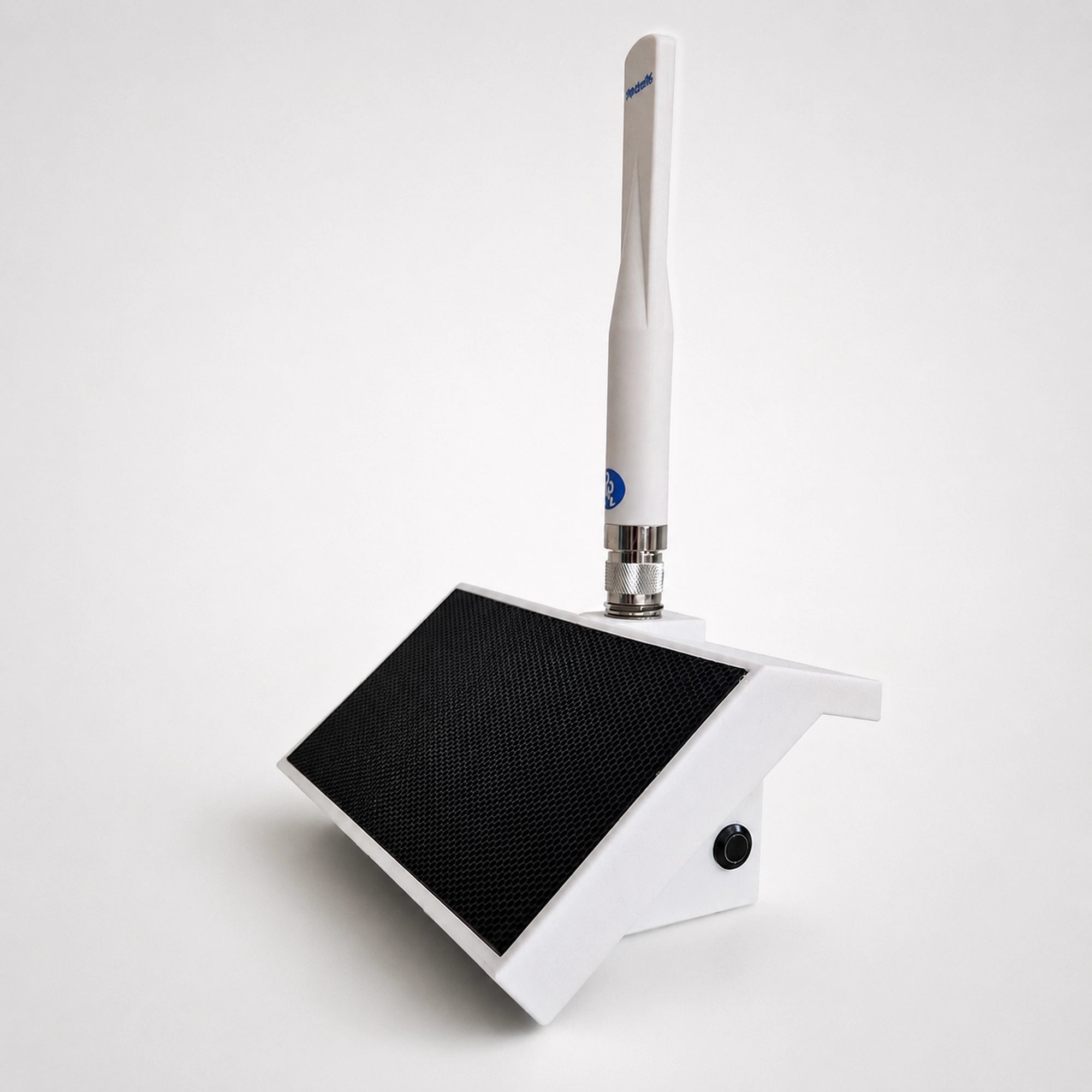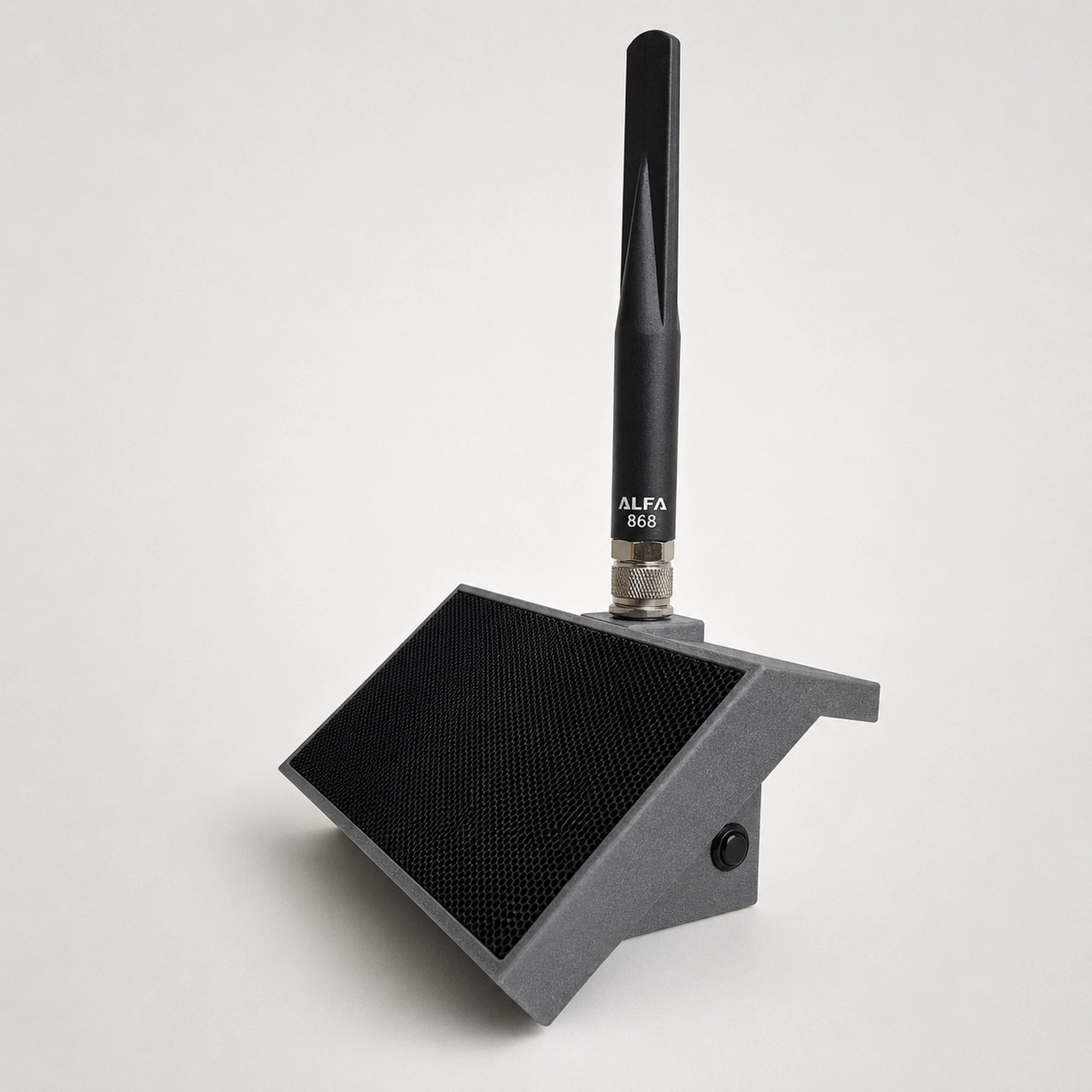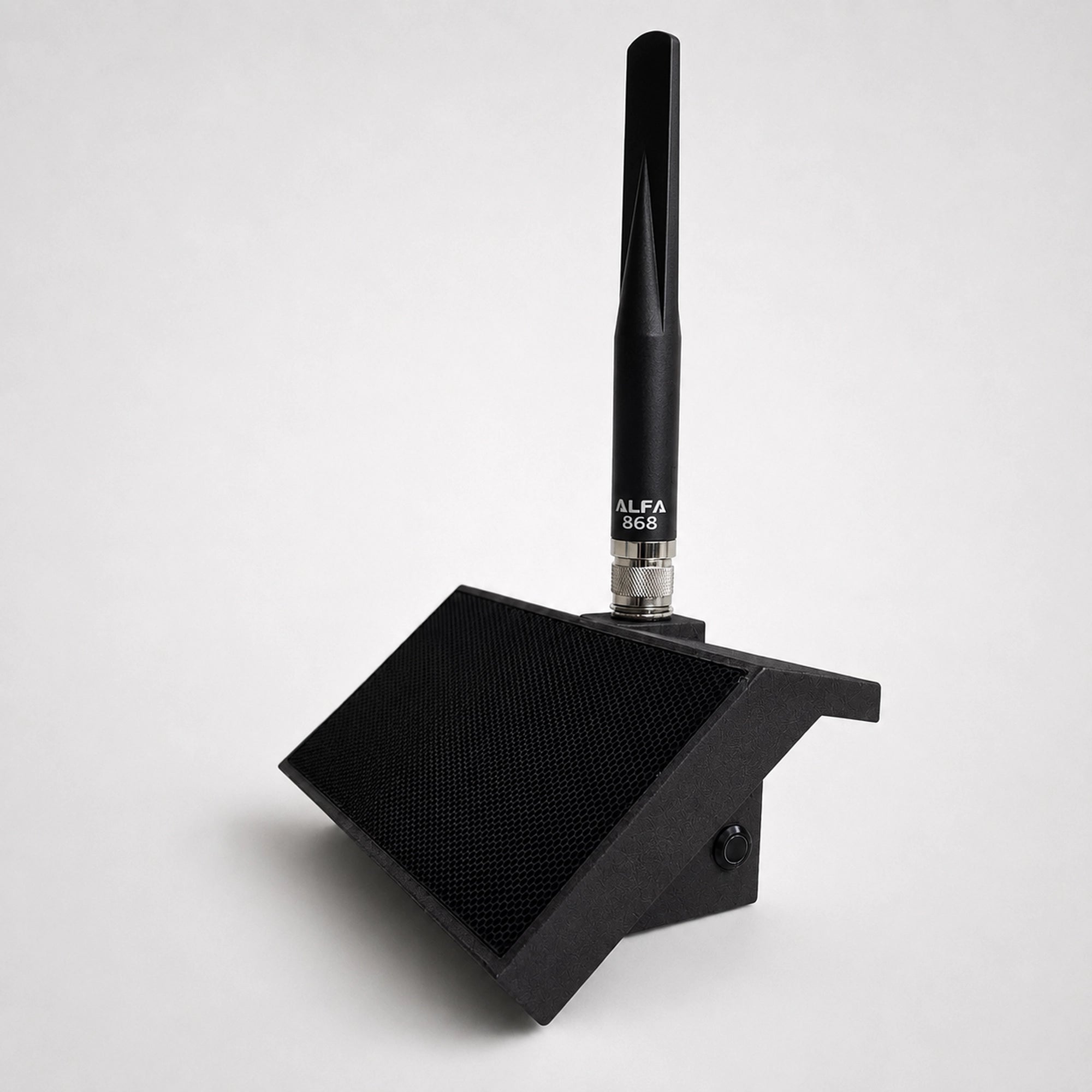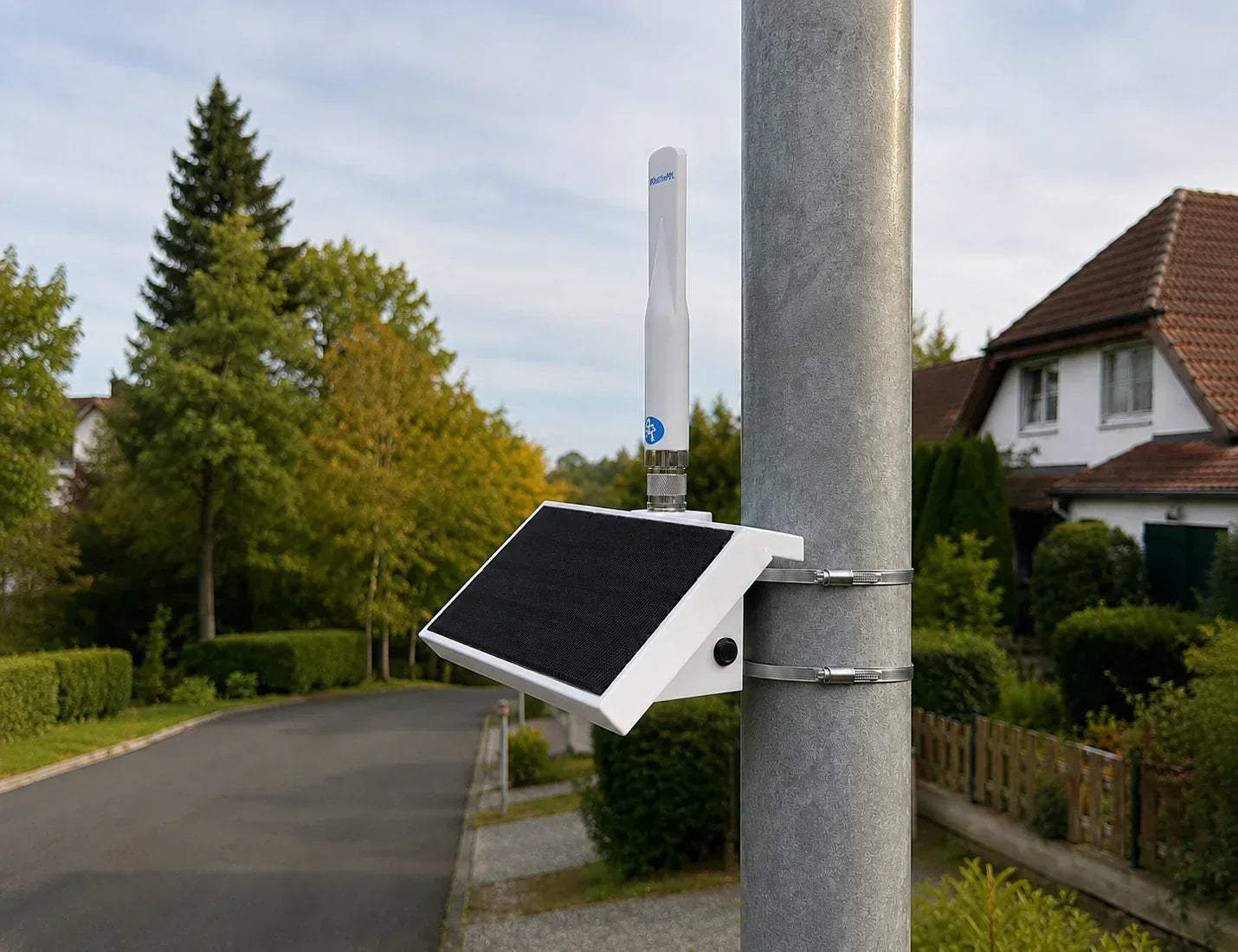
At first glance, a Solar-Powered Outdoor Meshtastic Node looks like a compact weatherproof box with a small solar panel and an external antenna. It has no display, no keyboard, and no SIM card slot. Yet once installed, it becomes part of a communication network that can continue operating without cellular service, Wi-Fi, or Internet access.
That idea is at the heart of Meshtastic — an open-source project that uses low-power LoRa radios to create decentralized mesh networks. Instead of relying on mobile operators or Internet infrastructure, individual radio nodes communicate directly with one another, forwarding messages across the network when necessary.
What is Meshtastic?
Meshtastic is free, open-source firmware that runs on compatible LoRa hardware. A node can be connected to a smartphone over Bluetooth or to a computer over USB, allowing users to exchange text messages, share location information, and send telemetry data through the mesh network.
Unlike traditional messaging apps, Meshtastic does not require an Internet connection between users. As long as there is a path through other compatible nodes, messages can continue moving across the network.
This is possible because every node can perform two jobs at once:
- communicate for its owner;
- relay traffic for other nodes.
In other words, each new node can strengthen the network instead of simply joining it.
Understanding a Mesh Network
The word mesh simply means that devices are interconnected rather than dependent on a single central point.
Imagine four houses spread across a neighborhood. If only two of them can communicate directly because of distance or obstacles, adding a third node between them allows messages to travel one step at a time. The intermediate node receives the packet and retransmits it automatically.
This process is known as multi-hop routing. A message may travel through several intermediate nodes before reaching its destination. The routing happens automatically, without requiring users to choose a path manually.
One practical consequence is that the useful coverage of a network is not limited to the radio range of a single device. As additional nodes are installed, the overall network can gradually expand over a much larger area.

Why Use a Permanent Outdoor Node?
Many people start with a portable Meshtastic radio that they carry while hiking, camping, or traveling. Portable nodes work well, but they move with the user and eventually need to be recharged.
A fixed outdoor node serves a different purpose.
Installed on a building, pole, mast, or other elevated location, it remains online around the clock and continuously relays traffic between other devices. It effectively becomes part of the network's infrastructure rather than just another participant.
The more permanent relay nodes are available in suitable locations, the easier it becomes for mobile users to exchange messages over longer distances.
This is why many community mesh networks gradually grow from a handful of portable radios into a collection of strategically placed outdoor nodes.
Why Solar Power Makes Sense
A permanently installed node is most useful when it can operate continuously without regular maintenance.
Running power cables is not always practical. Some installation sites may be far from electrical outlets, while others are chosen specifically because they provide a better radio position rather than convenient access to mains power.
Using a solar panel together with a rechargeable battery allows the node to generate and store its own energy. During daylight, the panel charges the battery. After sunset or during cloudy periods, the system continues operating from the stored energy.
This approach makes installation possible in locations where providing permanent electrical power would otherwise be difficult.
Of course, solar operation still depends on receiving enough sunlight over time. Battery runtime varies with weather conditions, seasonal daylight, radio activity, and the power consumption of the hardware.

More Than Just a Radio
Although it may look simple from the outside, a Solar-Powered Outdoor Meshtastic Node combines several components into a single self-contained system.
A weather-resistant enclosure protects the electronics from long-term outdoor exposure. A solar panel supplies charging power. A rechargeable battery stores energy for operation after dark. A LoRa radio handles communication, while an external antenna helps maximize radio performance.
The result is a compact relay station that can remain installed for months with very little attention beyond occasional inspection.
Rather than acting as a handheld communicator, its primary job is to quietly strengthen the surrounding mesh network every hour of every day.
In the next section, we'll look inside the device and examine how its main components—from the solar charging system to the RAK Wireless platform and outdoor antenna—work together to keep the node running continuously.
Inside a Solar-Powered Outdoor Meshtastic Node
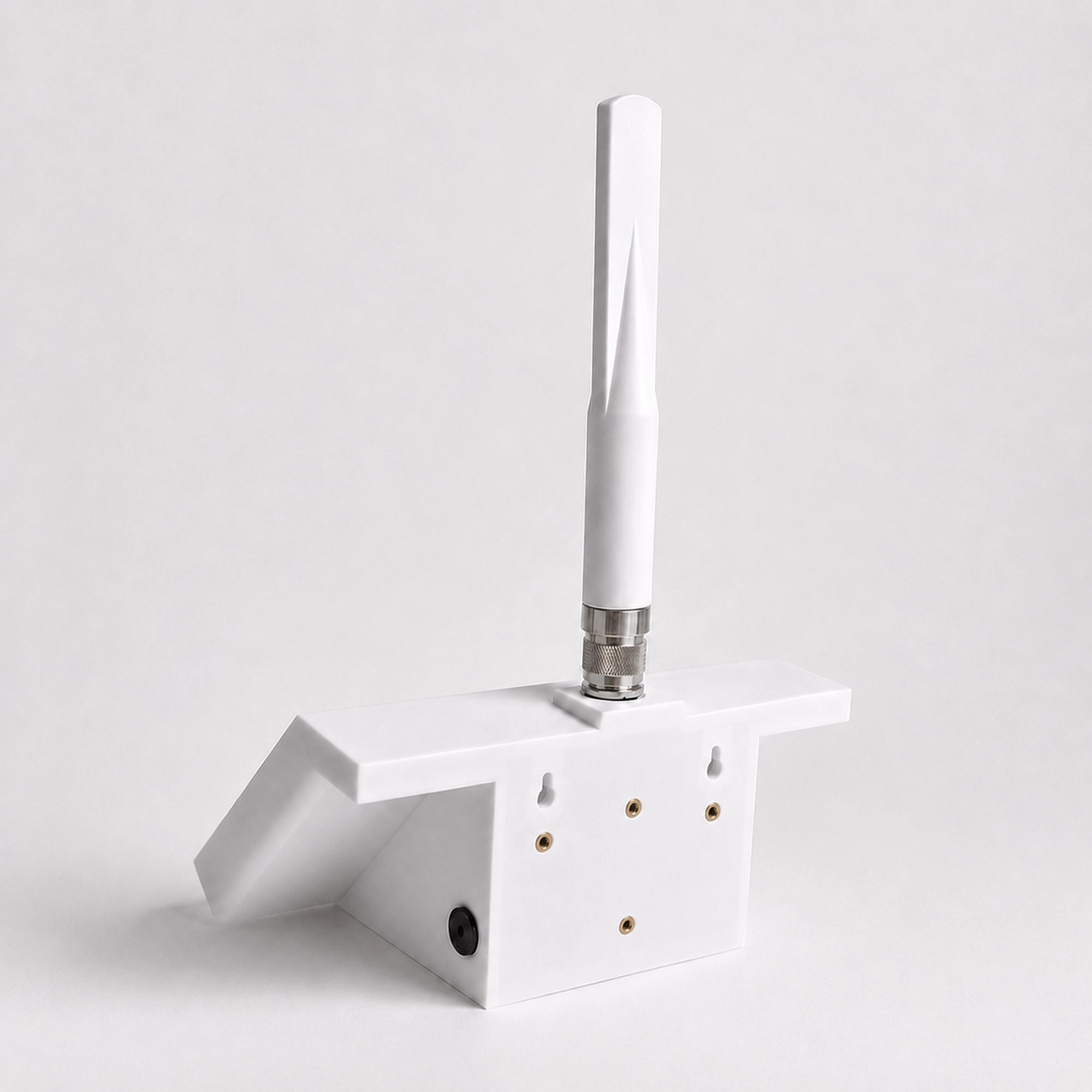
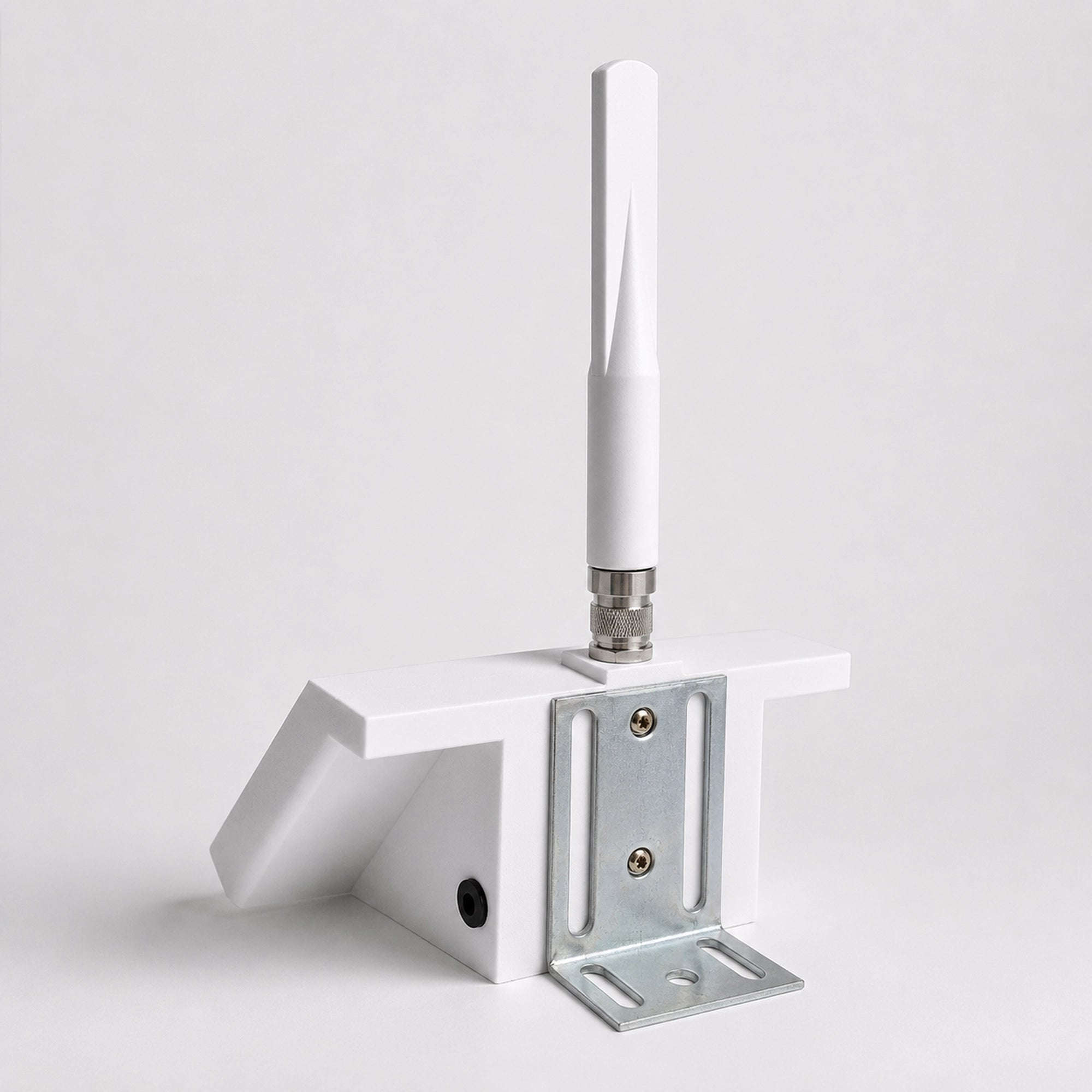
From the outside, a Solar-Powered Outdoor Meshtastic Node appears fairly simple. A compact enclosure, a solar panel on the front, an antenna on top, and a mounting bracket on the back. Most of the interesting engineering is hidden inside.
Rather than being a collection of separate accessories, the device is designed as a complete system. Every component—from the radio hardware to the charging electronics—has a specific purpose, and each one contributes to keeping the node operating outdoors for long periods with minimal maintenance.
The RAK Wireless Platform
At the heart of the node is the RAK Wireless platform, consisting of the RAK19003 Mini Base Board and the RAK4631 Core Module.
The RAK4631 combines two key components: the Nordic Semiconductor nRF52840 microcontroller and the Semtech SX1262 LoRa transceiver. Together, they provide the processing power required by the Meshtastic firmware while keeping energy consumption remarkably low.
Low power consumption is one of the main reasons why the RAK4631 has become a popular choice for permanent outdoor Meshtastic installations. Compared with many ESP32-based LoRa boards, nRF52 hardware typically spends much less time consuming power when the radio is idle, helping extend battery life between charging cycles.
The hardware is fully supported by the official Meshtastic firmware and can be configured using the Meshtastic mobile app or through the web client over USB.
Designed Around Low Power. Solar panels and batteries often attract the most attention, but neither would be particularly useful if the radio itself required too much energy.
Every electronic device draws power continuously, even when very little is happening. For a permanently installed radio, those small amounts of energy accumulate over weeks and months.
Using efficient hardware allows the entire system to remain compact. Instead of relying on a large solar panel or an oversized battery, the node reduces energy consumption wherever possible. That balance between power generation, storage and consumption is what makes continuous outdoor operation practical.
Of course, power usage is never completely fixed. Factors such as message traffic, Bluetooth activity, transmit power and configuration settings all influence how much energy the radio consumes.
Solar Charging with MPPT
The integrated ETFE solar panel provides the energy needed to keep the battery charged during normal outdoor operation.
Rather than connecting the panel directly to the battery, the node uses an MPPT (Maximum Power Point Tracking) charging controller. MPPT technology continuously adjusts the electrical operating point of the solar panel so it can harvest energy more efficiently as sunlight conditions change.
In practice, this means the charging system can make better use of available sunlight than a simpler charging circuit, particularly during changing weather or partial cloud cover.
Like every solar-powered device, however, performance still depends on environmental conditions. The amount of energy produced varies throughout the day and changes with the season, panel orientation, shading and local weather.
A High-Capacity Battery. Energy collected during the day is stored in two LG 21700 lithium-ion cells with a combined capacity of more than 10,000 mAh.
The battery allows the node to continue operating overnight and during periods of poor weather when solar input is limited. Under favorable conditions and depending on radio activity, a fully charged battery may power the node for up to 30 days or longer without additional solar charging.
Actual operating time varies considerably. Frequent message forwarding, higher transmit power, active Bluetooth connections and lower temperatures all increase energy consumption. Because every mesh network behaves differently, runtime should always be considered an estimate rather than a guaranteed value.
Automatic Solar and USB Power Switching. One practical feature of the node is its ability to switch automatically between solar and USB power.
During normal outdoor operation, the system charges from the solar panel whenever sufficient sunlight is available.
When a USB-C cable is connected—for example during initial setup, firmware updates or indoor testing—the charging system automatically disables solar charging and operates from USB power instead. No switches or manual configuration are required.
Once the USB cable is removed, the node returns to normal solar-powered operation.
Although this process happens entirely in the background, it makes day-to-day use much more convenient, especially when occasional maintenance is required.
The Outdoor Antenna
A radio is only as effective as its antenna.
The node is supplied with a genuine 5 dBi outdoor antenna designed for operation in the selected frequency band—868 MHz for Europe or 915 MHz for regions that use the ISM 915 MHz band.
While radio range depends on many factors, antenna placement usually has a greater impact than transmit power alone. Installing the antenna in an elevated location with a clear view of the surrounding area often produces a much greater improvement than increasing transmission power.
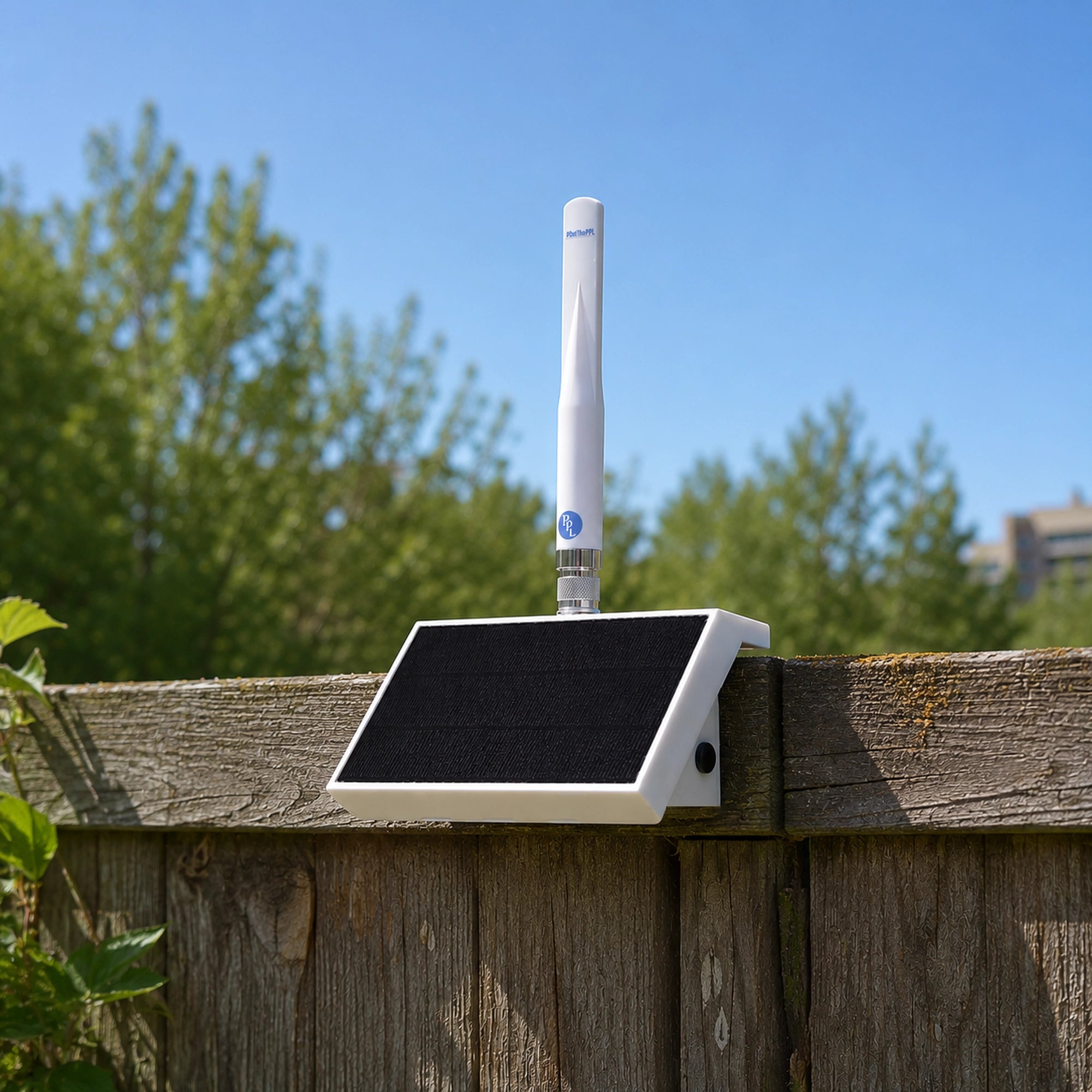
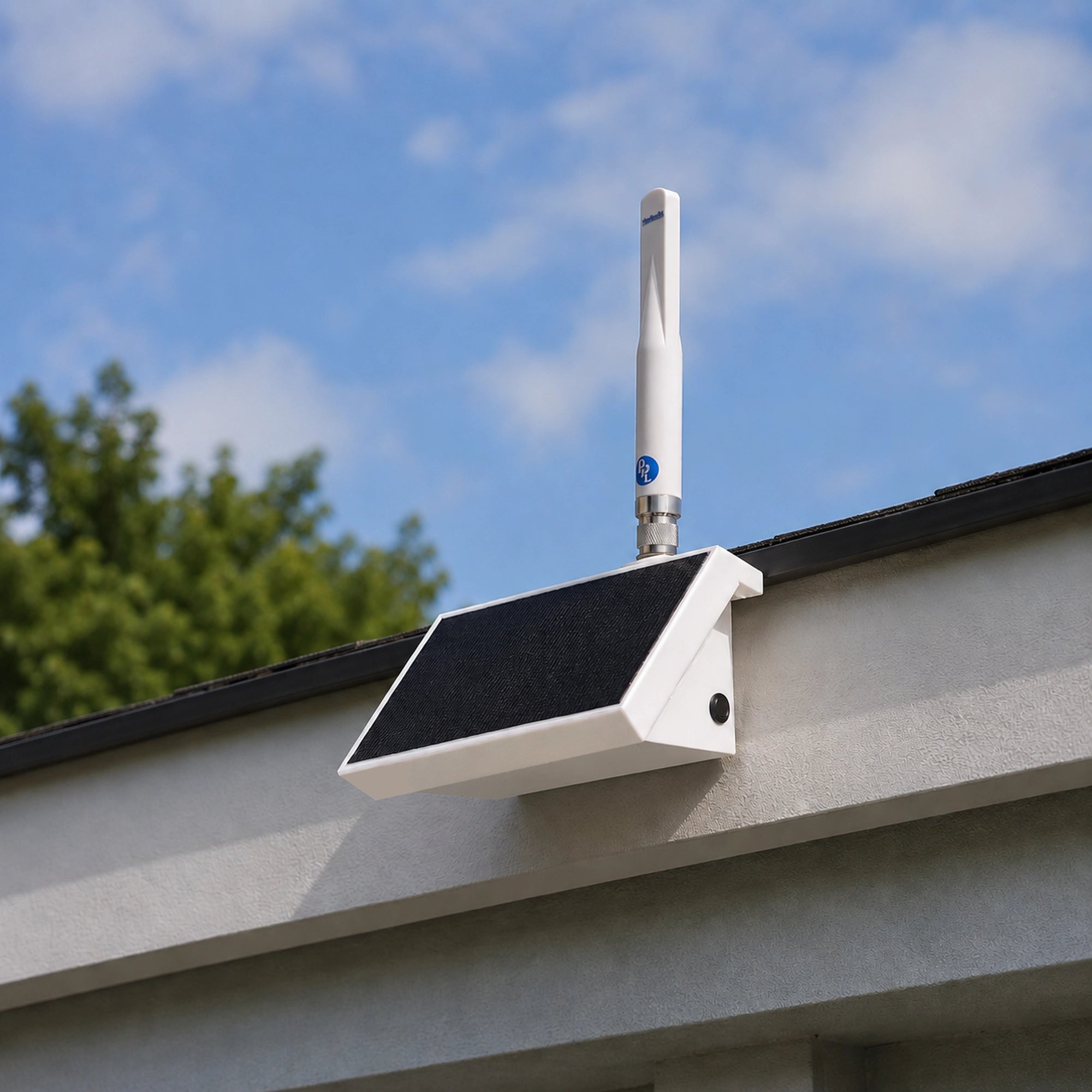
For this reason, outdoor nodes are commonly mounted on rooftops, masts or high exterior walls where the antenna has the best possible exposure.
As with any LoRa device, the antenna should always be connected before powering on the radio. Operating a transmitter without an attached antenna can damage the RF output stage.
Built for Outdoor Conditions. Electronic hardware designed for indoor use rarely survives long when exposed to constant sunlight, rain and temperature changes.
To protect the internal components, the enclosure is manufactured from ASA (Acrylonitrile Styrene Acrylate), a material widely used in outdoor applications because of its resistance to ultraviolet radiation and weathering.
Compared with common 3D printing materials such as PLA, ASA retains its mechanical properties much better during prolonged outdoor exposure and is less likely to become brittle after extended exposure to sunlight.
Like many functional outdoor enclosures, its purpose is durability rather than appearance. Small variations in surface texture are a normal result of the 3D printing process and do not affect performance.
In the next section, we'll look at where a Solar-Powered Outdoor Meshtastic Node should be installed and why choosing the right location can have a greater impact on network performance than the radio hardware itself.
Getting the Best Performance from Your Solar-Powered Outdoor Meshtastic Node
Even the most efficient hardware cannot compensate for a poor installation location. In LoRa communication, where radio signals may travel several kilometers under favorable conditions, the position of the antenna often has a greater impact than the radio itself.
A well-placed node can become an important link in a local mesh network. The same device installed in an unsuitable location may cover only a fraction of that area.
Fortunately, choosing a good location is usually straightforward once you understand a few basic principles.
Height Matters More Than Power
One of the biggest advantages of LoRa technology is its ability to communicate over long distances using relatively low transmission power. To make the most of that capability, the antenna needs a clear radio path.
In general, installing a node higher above the ground improves coverage. Rooftops, exterior walls, poles and masts usually provide better results than ground-level locations or areas surrounded by buildings.
The reason is simple. Every obstacle between two radios—walls, trees, hills or even nearby buildings—can weaken or block the signal. Reducing those obstacles is often far more effective than increasing transmit power.
This is why experienced Meshtastic users often describe antenna placement as the single most important factor affecting network performance.

Give the Solar Panel Plenty of Sunlight
The radio may require very little energy, but it still needs to replace the power it consumes.
For that reason, the solar panel should receive as much direct sunlight as possible throughout the day. Avoid placing the node beneath roof overhangs, dense tree branches or other objects that create long periods of shade.
Seasonal changes should also be considered. A location that receives full sun during summer may become shaded during winter when the sun remains lower in the sky.
If several installation locations offer similar radio coverage, choosing the one with better solar exposure will usually provide more reliable year-round operation.
Weather Is Less of a Problem Than Obstructions
The enclosure is designed for permanent outdoor installation, so occasional rain, snow or temperature changes are part of its intended operating environment.
Radio signals, however, are affected much more by the surrounding landscape than by the weather itself.
Large buildings, dense forests and steep terrain can all reduce coverage, even when the node is functioning perfectly. In contrast, an antenna mounted above nearby obstacles often maintains reliable communication over much greater distances.
Because every location is different, there is no universal maximum range. Urban environments, wooded areas and open countryside all produce very different results.
Installation Takes Only a Few Minutes
Once a suitable location has been selected, installation is straightforward.
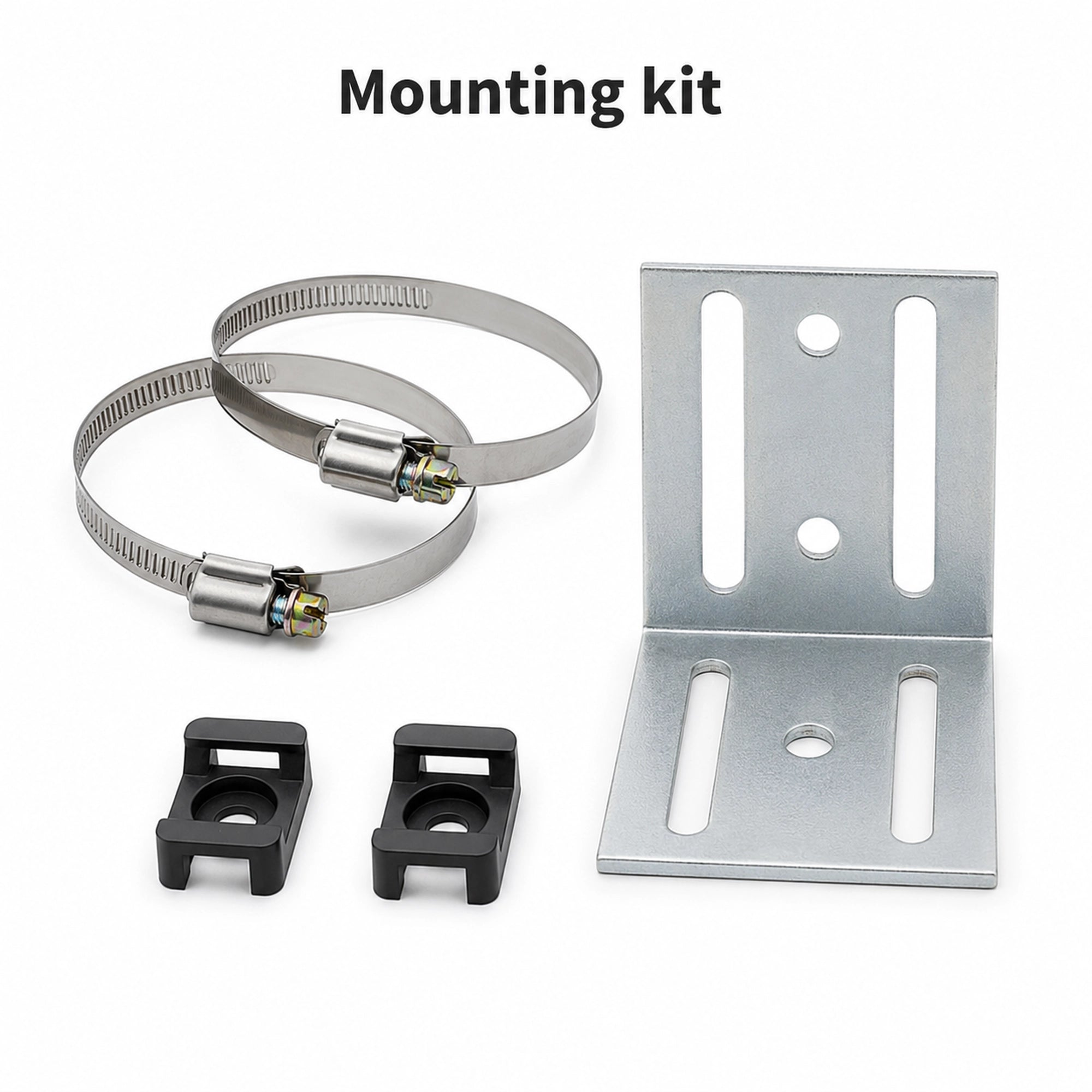
Attach the mounting bracket securely to a wall, fence, mast or other stable structure. Install the antenna and ensure it is firmly connected before powering on the radio. Finally, position the solar panel so it has the clearest possible view of the sky.
The integrated mounting slots make it easy to attach the enclosure using compatible mounting hardware, while optional mounting kits allow installation on poles or other structures.
After the hardware is installed, only a basic software configuration is required.
Initial Setup
The node ships with Meshtastic firmware already installed, so there is no need to flash the device before first use.
After switching on the node, simply open the Meshtastic app on a compatible smartphone and connect over Bluetooth. The radio can also be configured through USB using the official Meshtastic web client.
Most users only need to complete a few basic steps:
- connect to the node;
- verify the correct regional frequency is selected;
- choose a device name;
- adjust any optional radio settings if required.
Once configured, the node begins participating in the mesh network automatically.
Where Does a Solar Node Make the Biggest Difference?
Although portable Meshtastic radios often receive the most attention, fixed outdoor nodes are what gradually transform individual devices into a true communication network.
A permanently installed relay node may be useful in many situations, including:
- extending coverage around a home or neighborhood;
- connecting buildings on the same property;
- improving communication across farms or rural land;
- supporting local community mesh networks;
- providing additional network coverage for hiking or outdoor recreation areas;
- creating a communication path where cellular coverage is unreliable.
Each installation strengthens the surrounding mesh by providing another point through which compatible devices can exchange messages.

A Practical Addition to Any Meshtastic Network
A Solar-Powered Outdoor Meshtastic Node is not intended to replace smartphones, cellular networks or traditional Internet services. Instead, it serves a different purpose: providing reliable, low-power radio connectivity wherever compatible Meshtastic devices are in range.
By combining an energy-efficient RAK Wireless platform, an integrated solar charging system, a high-capacity battery and a weather-resistant enclosure, the node is designed for long-term outdoor operation with minimal maintenance.
For individual users, it can extend coverage around a home or remote property. For communities, each permanently installed node becomes another building block in a larger decentralized mesh network.
As more nodes are added in suitable locations, the network grows naturally—one relay at a time.