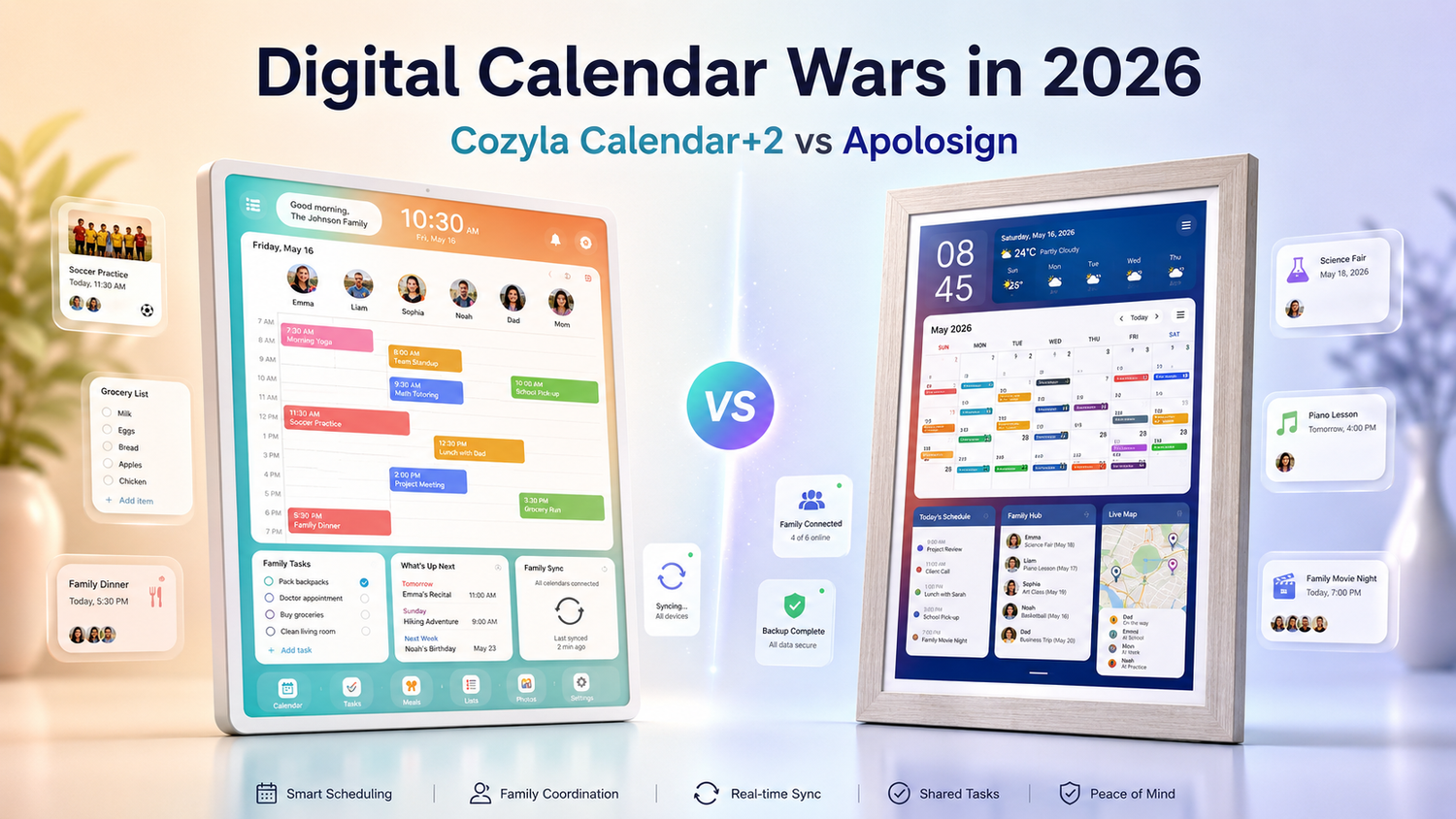
In a market where US-based digital calendars set the standard for several years by charging users a subscription, two competitors have appeared that, at first glance, seem like mirror images of each other. Cozyla Calendar+2 and Apolosign Digital Calendar both run Android, both offer a full set of family features without a subscription, both are made in China, and both are sold through Amazon and Walmart. A buyer choosing between them has every right to ask: is there actually any difference? We say yes, and it goes deeper than it first appears — from processors and the number of built-in microphones to corporate structure and where data from your rooms goes.
Origins: Startup vs Signage Factory
Cozyla was founded in 2022 based on recently raised capital: a Series A round of 40 million yuan (~$5.5M) in November 2022, with total funding estimated by PitchBook at $28.2 million. Investors include Sunwoda Electronic (one of China’s largest battery manufacturers) and Tonly (an electronics contract manufacturer). This investment base points to deep integration with China’s component supply chain.
Apolosign has a different story. It is a consumer brand of Shenzhen Electron Technology Co., Ltd., founded in 2008 as a manufacturer of commercial digital signage. For twenty years, the company made advertising panels for restaurants, interactive kiosks for shopping malls, and digital menu boards. In 2025, the company built a Calendar Mode interface on top of its hardware and entered the consumer market.
The corporate structure raises questions. The developer of the mobile app on Google Play is listed as Shenzhen Fujia Technology Co., Ltd. In the Apple App Store, it is APOLOSIGN INC, with copyright attributed to Shenzhen Electron Technology. In FCC documentation, it is Shenzhen Electron Technology again.
Apolosign Hardware: Parity with Nuances
Both companies offer significantly more powerful hardware than other players in this field. But the differences between them are subtle and important.
Cozyla Calendar+2: 15.6" / 24" / 32". IPS LCD, 60 Hz. Larger models are available in 4K (3840×2160). Wi-Fi 6E (6 GHz — the only one in the category), Bluetooth 5.3. Ports: USB-C, USB-A, HDMI (24"/32"). Speakers: 2×5 W. Built-in microphone. CalendarOS on top of Android with Google certification.
Apolosign: 15.6" / 21.5" / 27" / 27" 4K. Rockchip RK3576 processor (four Cortex-A72 + four A53 cores). 4 GB RAM, 64 GB storage. Wi-Fi 6, Bluetooth 5.4. USB-C. Speakers: 2×3 W. Four microphones. Ambient light sensor, auto-rotation. Anti-glare matte glass. Android 15 with EDLA licensing. VESA 100mm.
Key differences:
Storage: Apolosign — 64 GB. Cozyla does not disclose it publicly, but according to user reviews it is significantly less. On a device with Google Play, where users install apps, this matters.
Processor: Apolosign openly specifies the RK3576 — a modern chip with four “big” A72 cores. Cozyla does not disclose the processor model in its public specifications. For a buyer assessing the device’s longevity, this creates information asymmetry.
Microphones: Apolosign has four (for far-field pickup and voice commands). Cozyla has one. Apolosign’s advantage for voice control is obvious, but four microphones also mean four potential listening points.
Ports: Cozyla wins on the larger models thanks to HDMI — the device can be used as an external monitor. Apolosign offers only USB-C.
Display: Cozyla uses a glossy IPS panel. Apolosign uses anti-glare matte glass. In a kitchen, where the screen catches light from windows and lamps, anti-glare treatment is a practical advantage. Apolosign also offers a physical Privacy Cover — a plastic cover that closes over the screen.
Mounting: Apolosign uses VESA 100mm (standard mounts). Cozyla uses its own mounting system, which users have described as inconvenient, while the power adapter has been criticized for protruding from the wall outlet and getting in the way when passing nearby.
Portable use: Cozyla offers Calendar+ Go — a portable 32-inch version with a battery and rolling stand (up to 6 hours). Apolosign has no equivalent.
Design and Physical Product
Cozyla and Apolosign pursue different aesthetics.
Cozyla — a thin, frameless black enclosure. Minimalist, but with no variation: one color, one style. The device feels professional — more like a panel than an interior design element. But the mounting remains a weak point: the bracket is inconvenient and the power adapter sticks out from the outlet. On the 32-inch model, the weight adds another layer of difficulty.
Apolosign offers four enclosure colors (Teak Yellow, Spruce Grey, Black, White) — more choice than Cozyla, although the frame itself is not interchangeable. Its main physical advantages are anti-glare matte glass (Cozyla uses glossy IPS, which attracts reflections and fingerprints), a physical Privacy Cover, VESA 100mm (standard brackets — no proprietary mount required), a desktop stand included with the 15.6" model, and a mounting template with a built-in level. For a device expected to hang in a kitchen for years, everyday practical details such as anti-glare glass, a cover, and standard mounting hardware are hard to overstate.
Software Features: Almost Identical
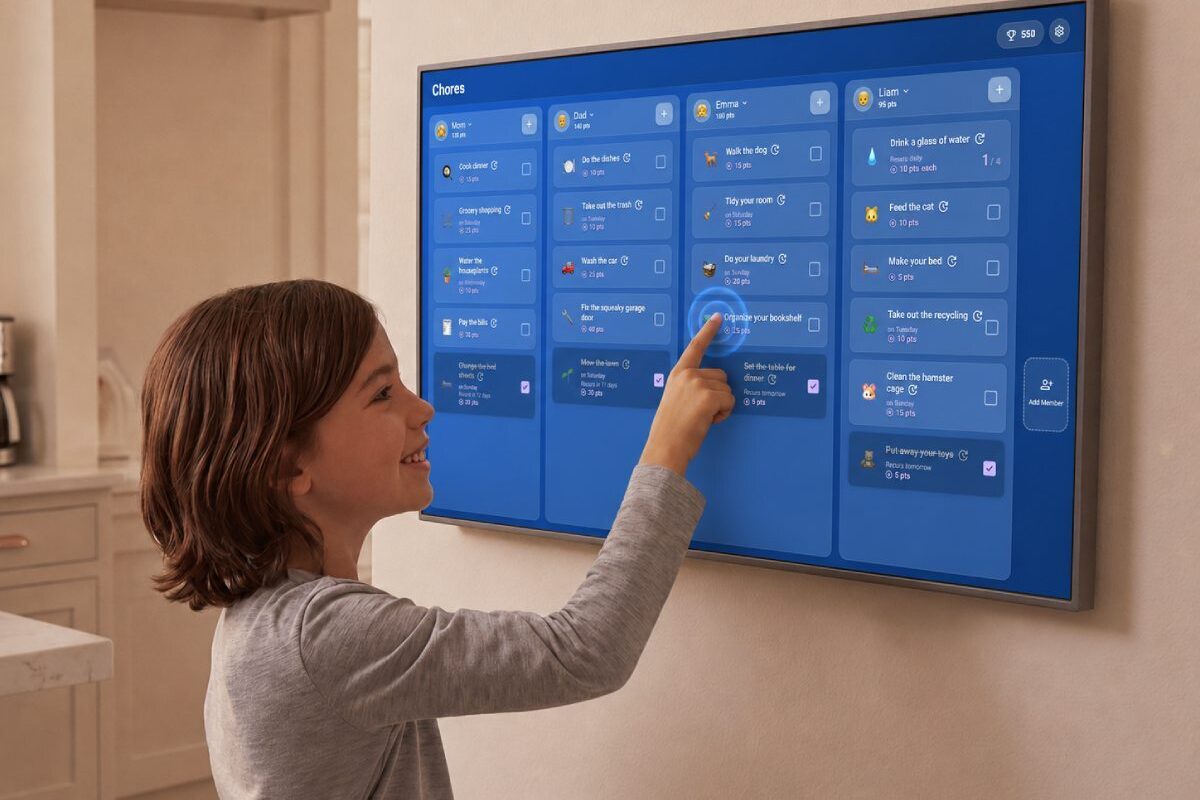
Both platforms offer Google/iCloud/Outlook synchronization, color coding, tasks, chores with points and rewards, meal planning, shopping lists, photo screensavers, weather, and Google Play.
Cozyla additionally offers: the Cozyla Agent voice AI assistant, simultaneous support for Google Home and Amazon Alexa, up to 8 family profiles with avatars, and two-way synchronization with all supported calendars.
Apolosign additionally offers: Google Assistant + Gemini AI (built in, rather than a proprietary assistant), Dual Mode (a dedicated Calendar Mode with one-button switching), a Message Board, parental controls with screen-time limits, and Privacy Mode with a physical cover.
The key differences:
Two-way synchronization: Cozyla supports two-way sync with all calendars. Apolosign states that it supports synchronization, but implementation details (one-way vs two-way) are not sufficiently documented.
AI: Cozyla built its own assistant (Cozyla Agent) — both an advantage (greater product control) and a risk (dependency on in-house development). Apolosign uses the established Google Assistant + Gemini stack — potentially more reliable, but less differentiated.
Dual Mode vs CalendarOS: Apolosign separates Calendar Mode and Android Mode with a physical button. Cozyla integrates CalendarOS as an Android shell — users can minimize it and work with full Android. The philosophical difference: Apolosign says “this is two devices in one”; Cozyla says “this is one device that can do everything.”
Synchronization stability: both companies have problems here, but of different kinds. T3 explicitly cited Cozyla’s synchronization instability as a concern — critical for a device whose primary purpose is a calendar. Cozyla said it was “actively working” on the issue. Apolosign claims instant synchronization through its own app, but independent verification of that claim is limited — no major reviewer has tested the product long enough to identify recurring failure patterns.
Positioning and Marketing: Two Different Languages
Cozyla and Apolosign sell essentially the same thing — but they speak to customers very differently.
Cozyla positions itself as a “family command center” — a multifunctional hub that can serve as a calendar, entertainment device, and smart-home control center. Its marketing is broad: the target audience extends beyond the traditional family with children to solo professionals, people with ADHD, and elderly users.
Apolosign uses factory-direct language: “zero subscription, better specs, better price.” The company actively publishes comparison articles on its own blog complete with specification tables and total-cost-of-ownership calculations. The marketing is rational and data-driven, aimed at price-conscious buyers who know how to read specifications. The absence of reviews from major media outlets is not accidental: the company apparently does not invest in PR agencies and editorial relationships at the same scale as Cozyla.
For a potential customer this is a meaningful difference. Cozyla is building a brand — investing in media presence, editorial trust. Apolosign is building a sales channel — investing in SEO, comparison tables, aggressive pricing, and discounts. The first strategy is more expensive, but creates a barrier to entry. The second is cheaper, but easy for the next Shenzhen ODM that decides to build its own Calendar Mode to replicate.
Cozyla vs Apolosign Price: Almost Side by Side
| Size | Cozyla | Apolosign |
|---|---|---|
| ~15–16" | $349 | from $399 (retail) |
| ~21–24" | $699 (24") | $379 (21.5", sale) |
| ~27–32" | $899 (32") | $579 (27" FHD) / $679 (27" 4K) |
A like-for-like size comparison is not entirely valid: Cozyla offers 24" and 32", while Apolosign offers 21.5" and 27". But measured as “dollars per inch,” Apolosign is consistently cheaper. A 21.5" Apolosign at $379 (or $249 at Walmart) versus a 15.6" Cozyla at $349 — even though the Apolosign screen is six inches larger.
Subscription: neither company requires one. Cozyla mentions a limit on free Cozyla Agent requests. Apolosign mentions an “optional AI subscription” in its documentation, while its website explicitly states: “All features are 100% free with no subscription required.”
Five-year cost: for both, exactly the cost of the device. No caveats.
Data and Privacy: Disclosure vs Silence
This is the key difference between these two calendars.
Cozyla, in its April 2026 privacy policy, explicitly states that servers are located in the United States, but data “may also be accessed by our affiliates or be transferred to third-party service providers and business partners, such as in China and Japan. When your Personal Data is processed in another country, it may be subject to access by law enforcement and national security authorities of that jurisdiction.” It is an uncomfortable truth — but it is a truth stated in black and white. The buyer knows what they are signing up for.
Apolosign says nothing. Its privacy policy is boilerplate text that does not specify server locations, jurisdiction, a DPO, or cross-border transfer mechanisms. “We may share personal data with all our affiliated companies” — and all affiliated companies are in Shenzhen. The Apple App Store contains the statement “The developer does not collect any data from this app,” while the privacy policy lists the collection of payment data, IP addresses, device identifiers, and location information. Two documents from the same company say opposite things.
For a European buyer: Cozyla at least mentions GDPR in the context of data processing (although without specifying SCCs or the DPF). Apolosign limits itself to a general reference to Article 6(1), without specifics about the legal basis, supervisory authority, or mechanisms for protecting data-subject rights.
The logical conclusion: Apolosign, with four built-in microphones and complete silence about data handling, raises more questions than Cozyla, with one microphone and detailed information about where data is processed.
Is it possible to avoid this compromise?
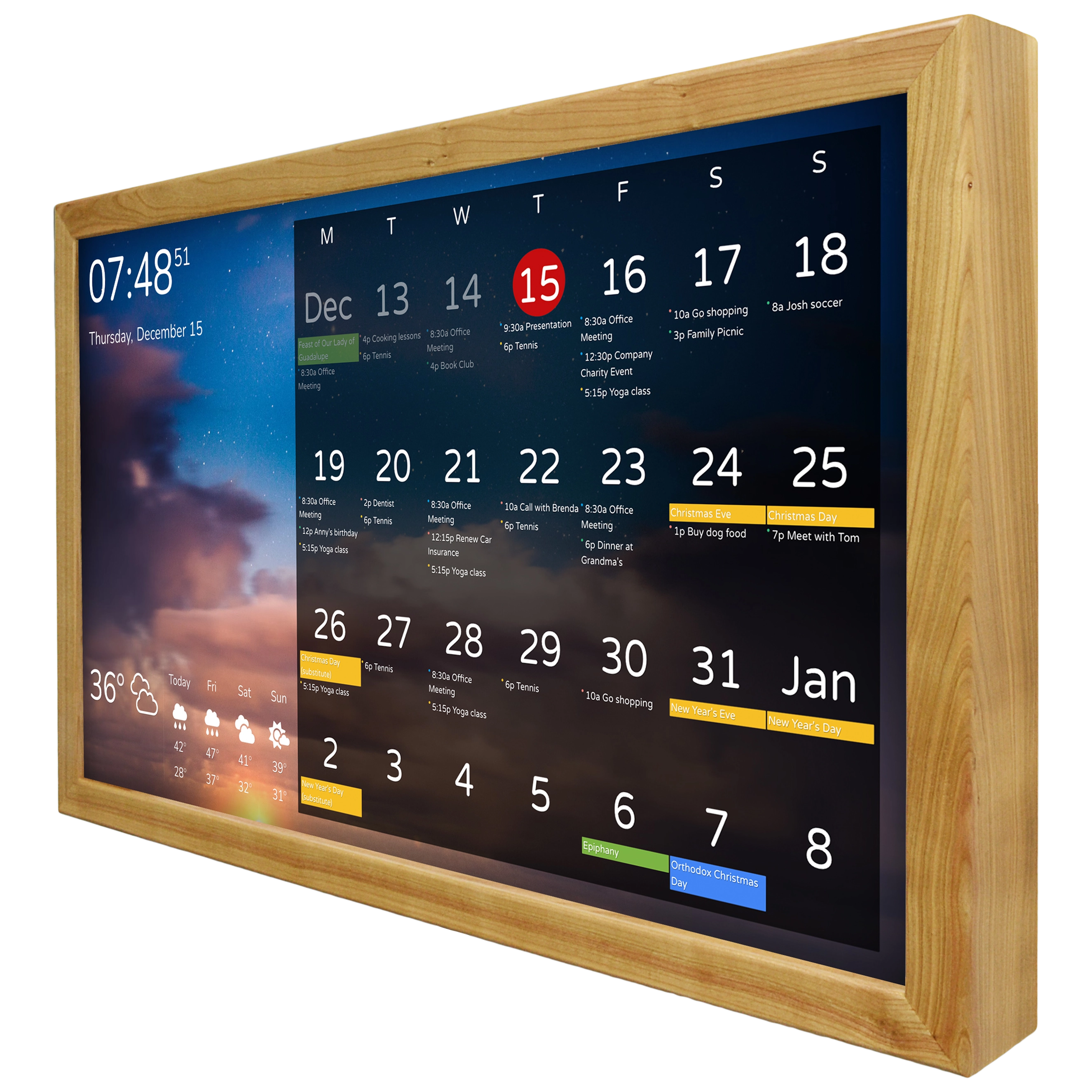
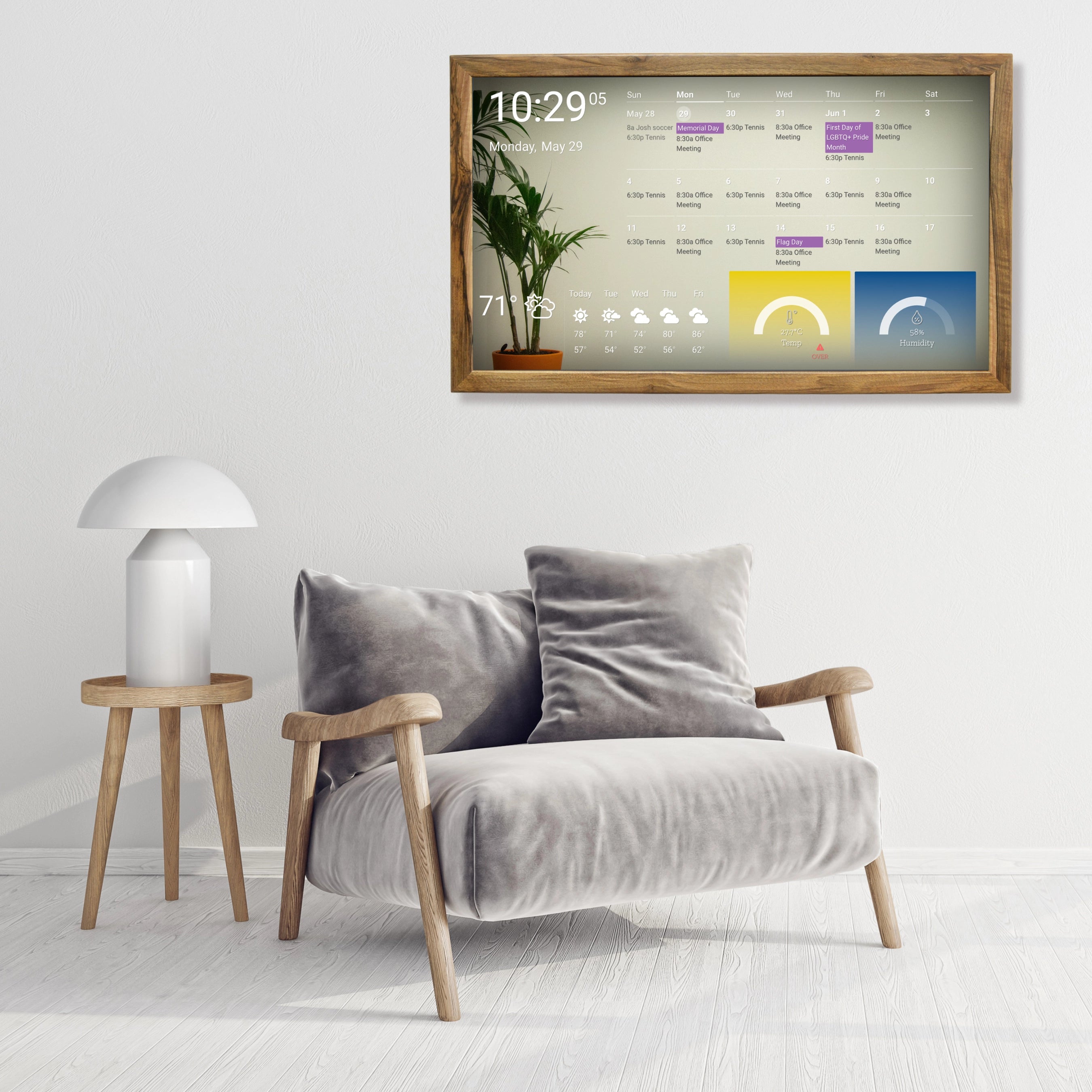
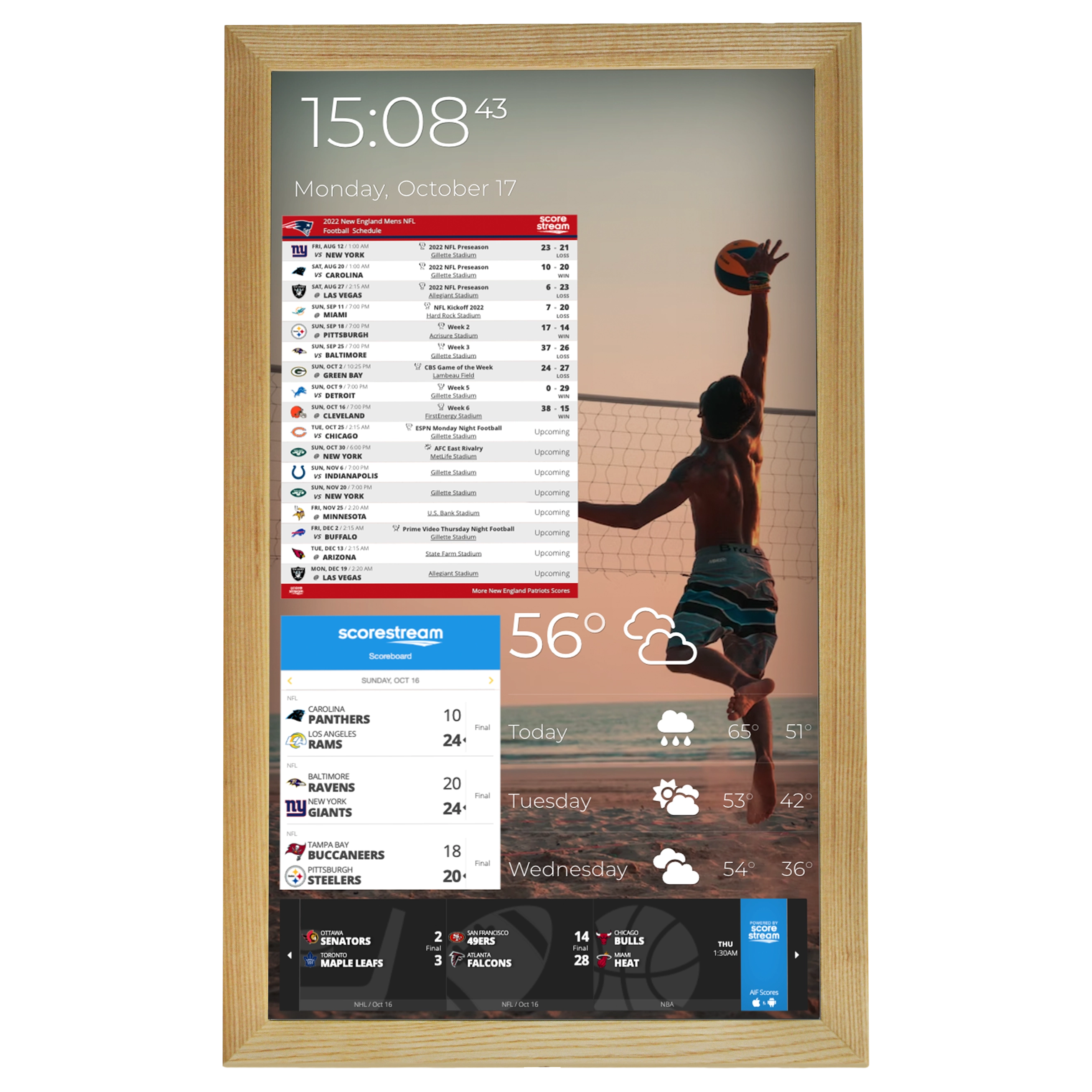
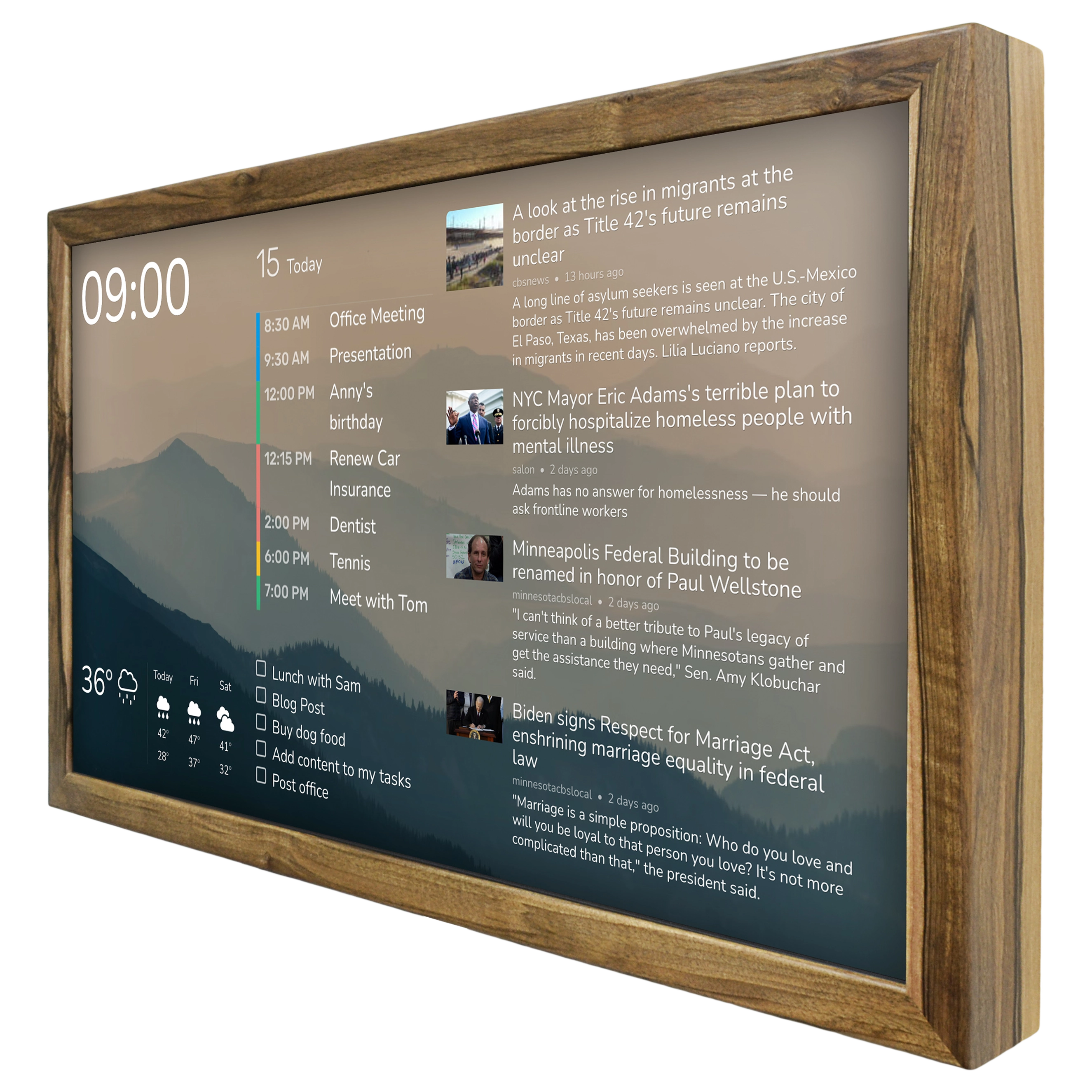
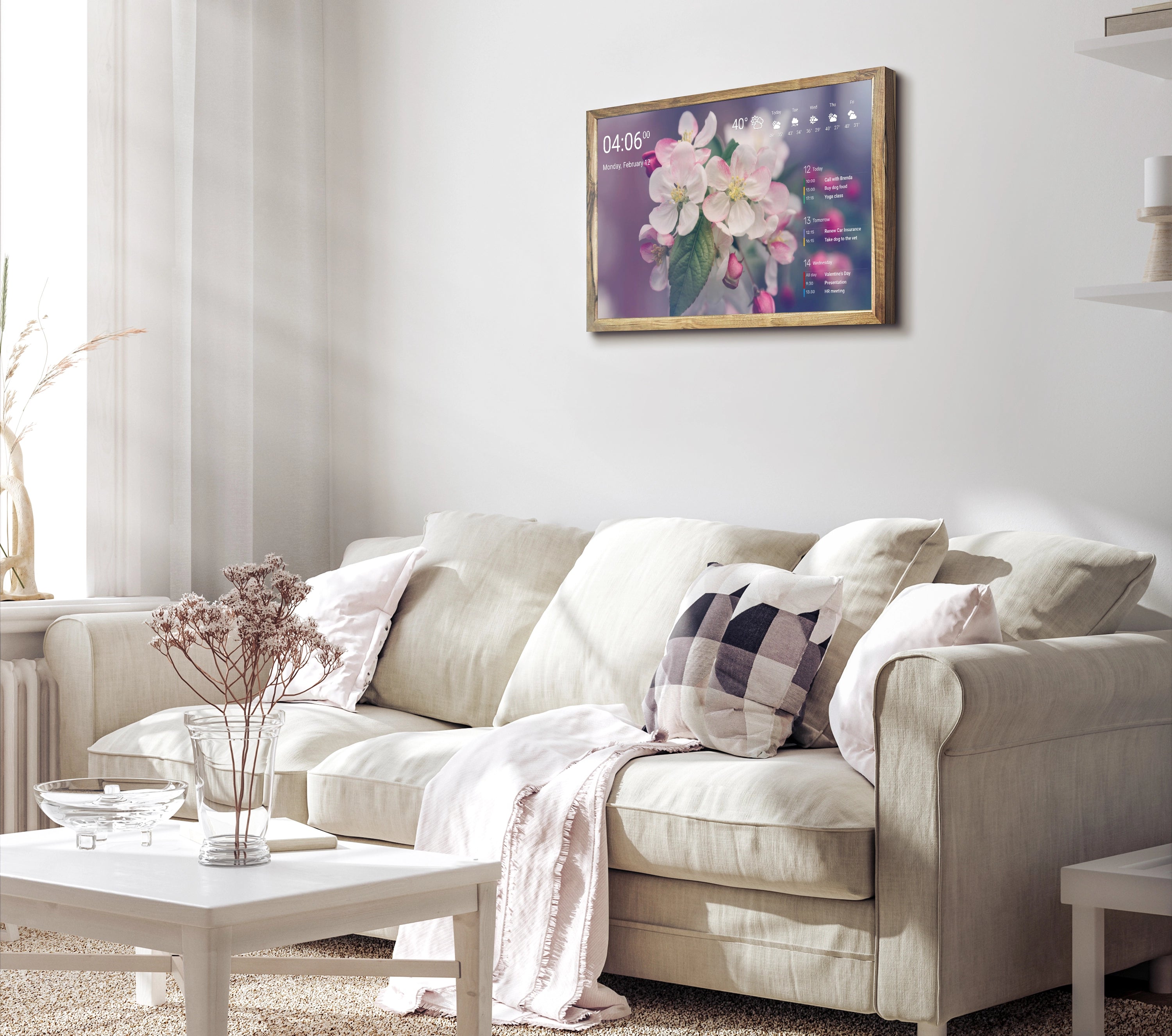
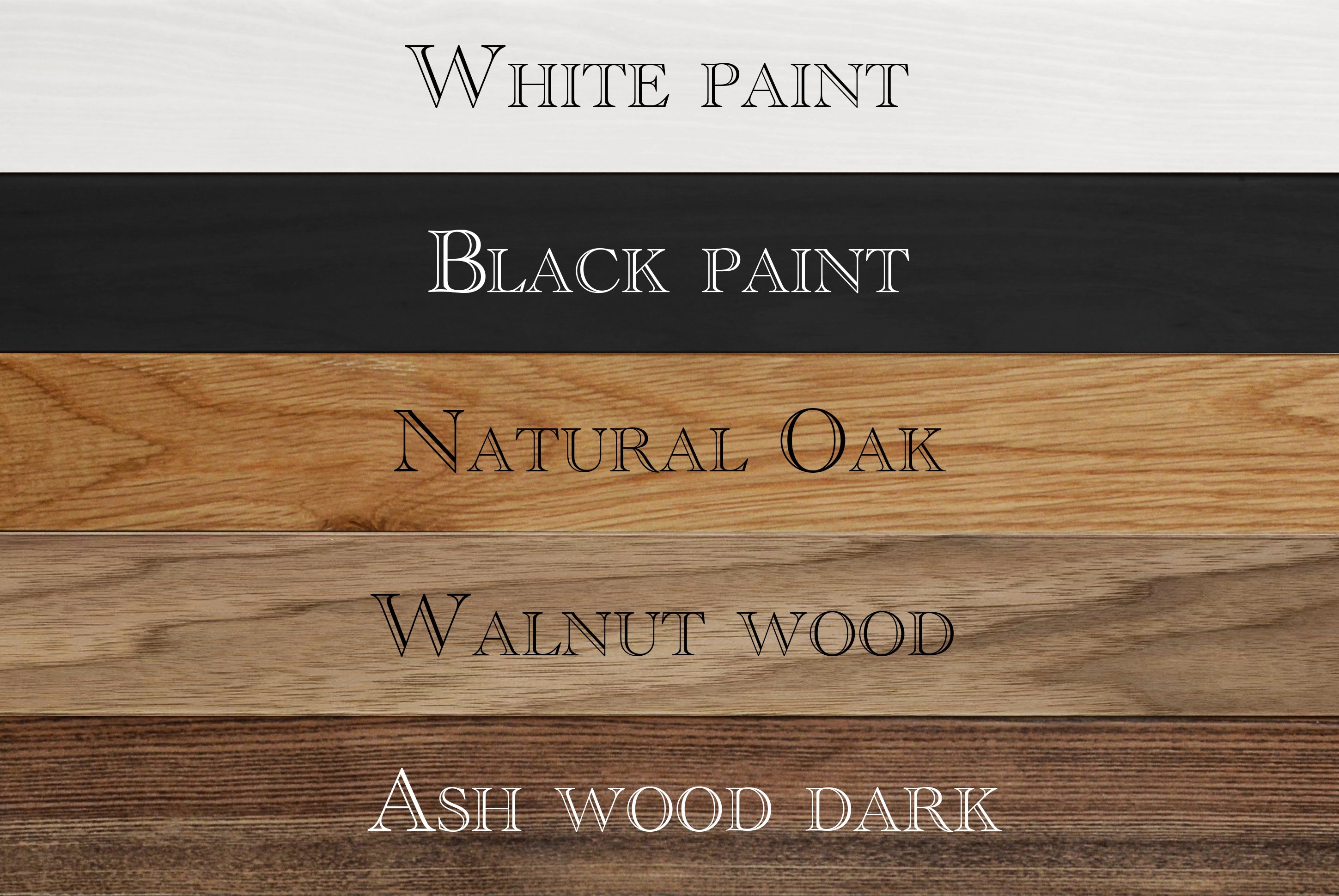
Still, the fact that a buyer has to choose between a company that discloses information about itself and a company about which very little is known points to a systemic problem in the category rather than a problem with one particular product. Both devices copy user content to their servers, both are made in Shenzhen, and both use built-in microphones. The only platform on the market that architecturally avoids this compromise is DAKboard: software that does not store user content, while the displays do not have built-in microphones and instead aggregate data through APIs in real time. It is American-developed software, recently acquired by the German investment group saas.group, with almost one hundred native integrations — and no question about cross-border transfer of user content because nothing is transferred. The DAKboard OS image is publicly available, and affiliated manufacturers can build ready-to-use devices around it — which is exactly what, for example, our German company does under the Smart'n'Magic brand. We provide European assembly, natural-wood frames with integrated displays, and local support. For an EU buyer, this closes the final gap: American software under a German investor, European hardware from a European manufacturer — with no link in the chain located in a jurisdiction that raises questions.
Reviews: Cozyla Deeper, Apolosign Broader
Cozyla Calendar+2: Main complaints include unstable calendar synchronization, inconvenient wall mounting, issues with the Cozyla+ mobile app (freezing when viewing recipes), and difficulty moving events between profiles.
Apolosign: Main complaints include questions about the software’s price-to-quality ratio on Reddit, sporadic Wi-Fi and charging issues, and Calendar Mode feeling like an “app inside Android” — a less native experience than Cozyla CalendarOS.
Verdict: Similar Outside, Different Inside
Cozyla and Apolosign compete for the same segment — buyers who want an Android- and Google Play-based alternative to subscription calendars.
Cozyla is built around CalendarOS and feels like a cohesive product designed around the calendar function. Its weaknesses — unstable synchronization and inconvenient mounting — are software and design issues that can potentially be improved through updates.
Apolosign is a product from a factory that made commercial signage and then decided to enter the consumer market. Its hardware is stronger: a more powerful processor, more storage, four microphones (we are not sure that is a benefit), anti-glare glass, Privacy Cover, VESA, and a lower price. But corporate opacity (three legal entities, unnamed management), a thin privacy policy, and a lack of media recognition raise a question: is good hardware enough to earn a family’s trust?
The real question is not which of the two is better. It is whether either of them can build enough trust for a mainstream buyer to put a Chinese device with a microphone on the kitchen wall — and feel comfortable doing so.
Long-Term Risks: Who Will Last Longer
Both devices run open Android — and in theory can outlive their manufacturers. Even if Cozyla or Apolosign stops providing support, Google Play will continue to work and apps will remain available. But Calendar Mode and CalendarOS depend on their companies’ servers for synchronization — without them, the device becomes an ordinary Android tablet on the wall.
Cozyla has a thicker financial cushion: $28.2M in raised capital and distribution ties with Lenovo. The company is building a brand that could attract another funding round or be acquired. Apolosign has no outside investors — the company depends on operating cash flow from its B2B digital-signage business. If the consumer division does not become profitable, the parent company could shut it down as quickly as it launched it — leaving a million families with an Android tablet without Calendar Mode.
The geopolitical risk is similar for both: Chinese capital, Chinese manufacturing, built-in microphones. But Cozyla, with U.S. registration, an ex-Lenovo founder, and distribution through Lenovo US, has more levers to navigate tighter regulation. Apolosign, with three legal entities and a boilerplate privacy policy, has fewer.
For a European buyer, however, both options leave the same question unanswered: why choose between two Shenzhen devices with microphones if you can put a DAKboard-based display on the wall — a platform that does not store your content at all? Smart'n'Magic assembles such devices in Germany, with local support, on a platform with almost one hundred integrations. Not a single link in the chain is outside the EU and the United States. This is not a universal answer — but for a family in Berlin or Munich, it is an answer Cozyla and Apolosign cannot provide.
The author has no financial ties to any of the companies mentioned.