Eine Geschichte darüber, warum der digitale Planer 2026 auf ein dediziertes Display umziehen sollte.
Diese Geschichte basiert auf realen Erfahrungen in unserem Unternehmen – wie wir Arbeit planen, Fokus aufbauen, Prioritäten neu ordnen und nach und nach zu der Idee kommen, dass der digitale Planer 2026 nicht nur eine App, sondern ein sichtbarer Teil der Umgebung werden sollte.
Wenn Sie an einem Montagmorgen Ihren Kalender öffnen, mag es so aussehen, als wäre alles unter Kontrolle. Termine sind geplant, Aufgaben organisiert, Erinnerungen funktionieren, Dokumente leben in Notion, Ereignisse werden über Google Kalender synchronisiert, Aufgabenlisten werden in Todoist aktualisiert, und die KI-Tools, die bereits Teil des täglichen Lebens geworden sind, bieten zunehmend bequemere Arbeitsabläufe. Auf den ersten Blick scheinen moderne digitale Planer genau das zu tun, wofür sie entwickelt wurden: den Tag strukturieren, die Zeit organisieren und Ihnen helfen, wichtige Dinge nicht zu vergessen.
Doch nach wenigen Minuten wird etwas klar: Der Tag gehört Ihnen kaum noch. Tatsächlich wird es schwierig zu sagen, wem er überhaupt gehört.
Nicht, weil Ihnen ein System fehlt. Das System existiert. Möglicherweise haben Sie sogar mehrere Systeme gleichzeitig am Laufen. Ein digitaler Planer verwaltet persönliche Aufgaben, ein anderer strukturiert die Arbeitswoche, ein drittes Tool speichert Dokumente, ein viertes verfolgt Fristen und ein fünftes schlägt eine KI-gesteuerte „Optimierung“ Ihres Zeitplans vor. Alles wirkt rational, modern, ausgefeilt – und sogar relativ erschwinglich.
Das Problem ist ein anderes: Je mehr Tools Sie hinzufügen, desto schwieriger wird es, den Tag als Ganzes zu sehen, und noch schwieriger zu erkennen, was wirklich wichtig ist.
Im Jahr 2026 sind digitale Planer nichts Neues mehr. Sie sind zu einem grundlegenden Bestandteil von Arbeit, Familienleben und Geschäft geworden. Digitale Planer-Apps existieren in Telefonen, Browsern, E-Mail-Clients, CRMs, Aufgabenmanagern, Betriebssystemen und sogar Smartwatches. Jeder hat einen Kalender. Jeder hat eine Aufgabenliste. Jeder hat Erinnerungen. Doch viele Menschen beginnen den Morgen immer noch mit dem Gefühl, dass sie die Zeit nicht managen – sie reagieren lediglich darauf.
Sie öffnen Ihren digitalen Planer, um den Tag zu verstehen, sehen aber stattdessen eine dichte Wand von Ereignissen. Sie öffnen Ihren digitalen Planer, um auszuwählen, was am wichtigsten ist, aber Nachrichten, E-Mails, Benachrichtigungen und Anfragen erscheinen sofort daneben. Sie möchten eine ruhige Entscheidung treffen, doch jeder Bildschirm wird zu einem Posteingang.
So hört der digitale Planer langsam auf, eine Karte des Tages zu sein. Er wird zu einem weiteren Fenster im größeren digitalen Rauschen.
Genau das haben wir selbst bemerkt – und genau das wollen wir ändern.
Wir haben diese Theorie nicht abstrakt entwickelt. Jeder Arbeitstag lieferte Beweise. Meetings wurden verschoben, Prioritäten verlagerten sich, Kundenanfragen wurden plötzlich dringend, Lieferanten warteten auf Antworten, das Marketing forderte Entscheidungen, Entwicklungsteams benötigten Klärung, während familiäre Angelegenheiten stillschweigend auf den Abend – und dann auf den nächsten Tag – verschoben wurden. Dieses Muster kennen Sie wahrscheinlich. Wir hatten die Tools. Wir hatten fast jeden digitalen Planer, der 2026 verfügbar war. Wir hatten Listen, Dokumente, Erinnerungen und Boards. Doch die wichtigsten Dinge verschwanden immer noch aus dem Blickfeld.
Nicht aus dem System. Aus der Aufmerksamkeit. Dieser Unterschied ist wichtig.
Wenn ein Ereignis in einem digitalen Planer erfasst wird, existiert es formal. Wenn eine Aufgabe in einem digitalen Planer hinzugefügt wird, wird sie technisch nicht vergessen. Aber es gibt einen massiven Unterschied zwischen „aufgezeichnet“ und „sichtbar“. Und einen weiteren Unterschied zwischen „sichtbar“ und „verhaltensbeeinflussend“.
Im Geschäftsleben ist dieser Abstand teuer.
Ein Meeting ohne Agenda zerstört eine Stunde Fokus. Ein „kurzer Anruf“ unterbricht tiefes Arbeiten. Eine dringende Kundenantwort drängt eine strategische Aufgabe beiseite. Ein verschobenes Familienessen scheint unbedeutend – bis diese Verschiebungen zu einem Muster werden. Ein Tag mag völlig ausgefüllt erscheinen, doch am Abend wird es schwierig zu sagen, was tatsächlich vorangekommen ist.
Und irgendwann taucht die Frage auf: Wenn der digitale Planer alles zeigt, warum offenbart er dann immer noch nicht, was am wichtigsten ist?
Die Antwort ist unangenehm, aber einfach. Weil der digitale Planer normalerweise in genau derselben Umgebung wie Ablenkungen lebt – innerhalb der Architektur, die darauf ausgelegt ist, die Aufmerksamkeit zu fragmentieren. Wenn man es so nennen möchte, ist es Ablenkung durch Design. Der digitale Planer lebt im Telefon, im Laptop, im Browser, in E-Mails, Messaging-Apps, Tabs und Benachrichtigungen. Ein digitaler Planer mag brillant konstruiert sein, aber wenn er in einer Umgebung existiert, die ständig um Ihre Aufmerksamkeit konkurriert, bleibt seine Leistungsfähigkeit begrenzt.
Sie öffnen Ihren digitalen Planer auf Ihrem Telefon – und zehn Sekunden später bemerken Sie eine Signal-Nachricht. Sie öffnen Ihren digitalen Planer in einem Browser – und daneben befinden sich Tabs, E-Mails, Analyse-Dashboards, Newsfeeds, Bestellungen, Rechnungen und Aufgaben. Sie wollten Ihren Tag überprüfen, geraten aber stattdessen in einen Workflow-Stream. Das Ergebnis ist paradox: Das Werkzeug, das Klarheit schaffen soll, existiert in einer Umgebung, die darauf ausgelegt ist, Überforderung zu erzeugen.
Irgendwann haben wir aufgehört zu fragen: „Wie bauen wir noch einen digitalen Planer?“
Die Frage selbst änderte sich: „Wo sollte der digitale Planer leben, wenn er das Verhalten wirklich beeinflussen soll?“
Sein Zweck sollte über das bloße Speichern von Ereignissen hinausgehen.
Mehr als nur Erinnerungen zu liefern oder als eine weitere Synchronisierungsebene zwischen Apps zu fungieren.
Der digitale Planer muss genau dann sichtbar bleiben, wenn Entscheidungen getroffen werden.
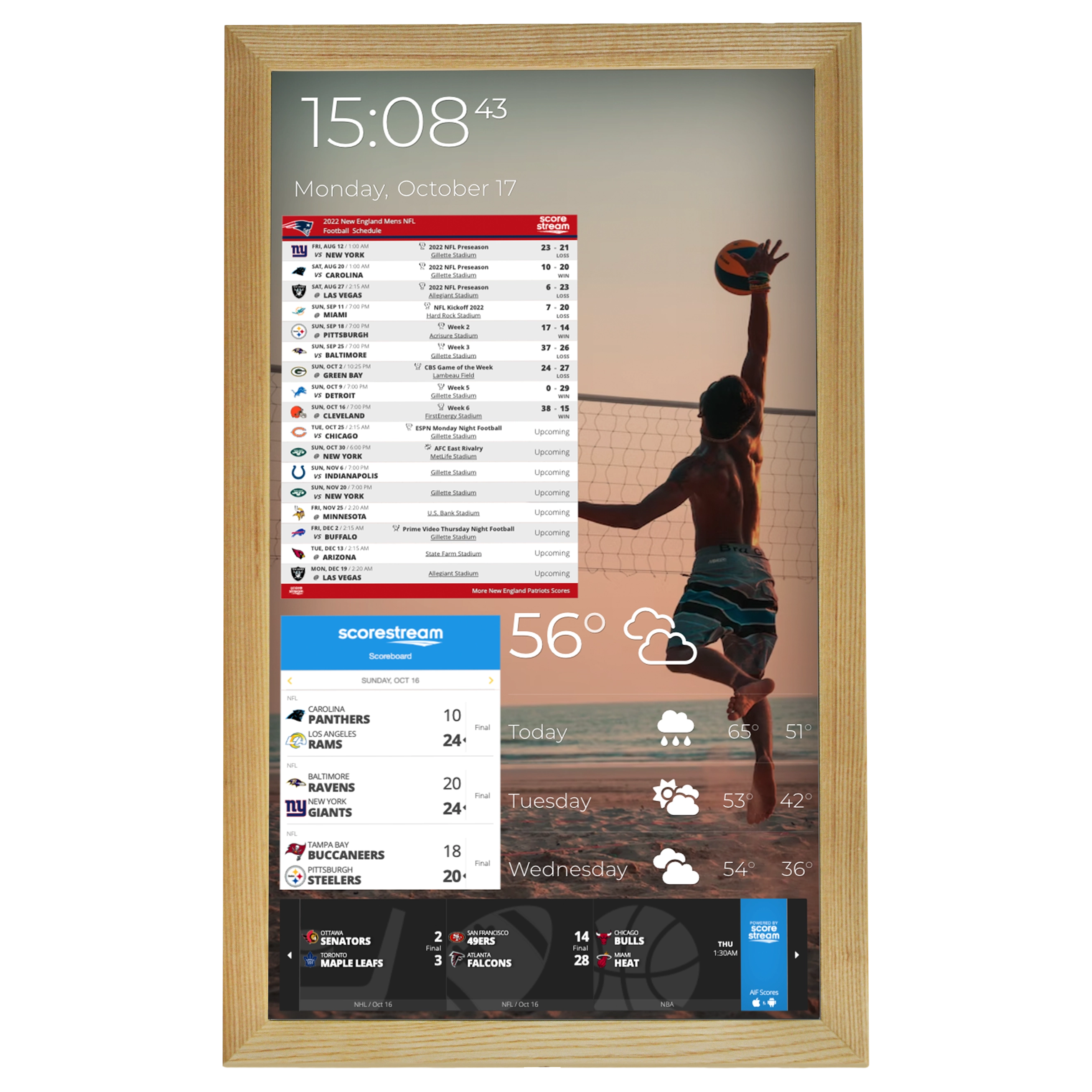
So entstand die Idee eines dedizierten digitalen Displays.
Zuerst erschien die Idee fast zu einfach. Wenn der digitale Planer bereits im Telefon und Computer existiert, warum sollte man einen weiteren Bildschirm einführen? Wenn der digitale Planer bereits über eine App verfügbar ist, warum sollte man ihn an eine Wand, einen Schreibtisch oder ein Küchen-Display verschieben? Würde er nicht nur zu einer weiteren dekorativen Kopie von etwas bereits Bestehendem werden?
Die skeptische Frage ist berechtigt. Ein Display allein löst nichts. Ein schlechter digitaler Planer auf einem größeren Bildschirm bleibt ein schlechter digitaler Planer. Ein überladener digitaler Planer an der Wand bleibt überladen. Wenn Sie lediglich eine App-Oberfläche auf ein anderes Display erweitern, wird der Nutzen minimal sein.
Doch der Wert eines dedizierten Displays liegt nicht in seiner Größe.
Sein Wert ist der Kontext.
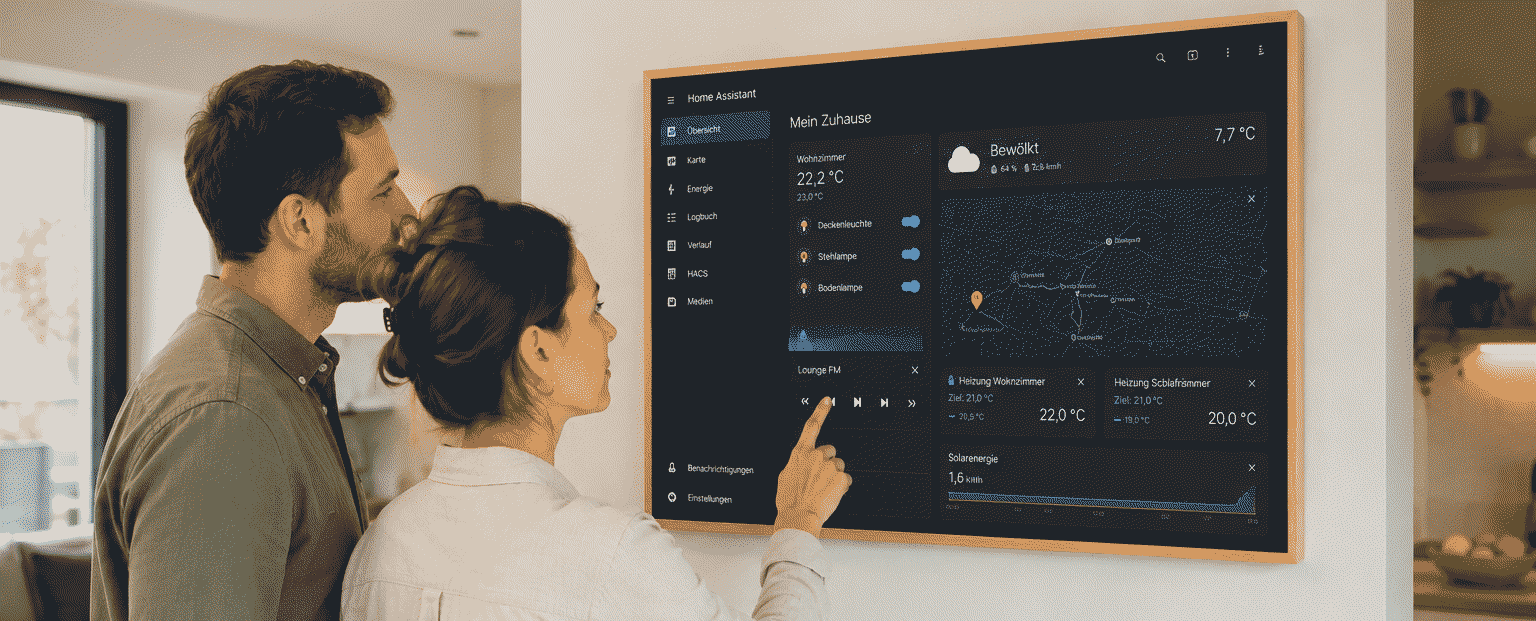
Ein Telefon ist ein Reaktionsgerät. Ein Laptop ist ein Arbeitsgerät. Ein Browser ist ein Such- und Wechselgerät. Aber ein dediziertes Display kann zu einem Sichtbarkeitsgerät werden. Darauf konkurriert der digitale Planer nicht mehr mit Messaging-Apps. Der digitale Planer geht nicht mehr in Browser-Tabs unter. Er erfordert nicht das Entsperren eines Bildschirms, das Öffnen einer App, das Auswählen einer Ansicht und das Erinnern, warum man ihn überhaupt geöffnet hat.
- Er existiert einfach.
- In der Küche.
- Im Homeoffice.
- In einem Besprechungsraum.
- Am Empfang.
- In einer Werkstatt.
- In einem Teamraum.
An den Orten, an denen der Tag beginnt – und an denen Entscheidungen nicht nur im Kopf, sondern in der Umgebung selbst getroffen werden.
Sobald der digitale Planer auf einem solchen Display erscheint, hört er auf, eine versteckte Datenbank zu sein. Sobald der digitale Planer den ganzen Tag sichtbar bleibt, hört er auf, eine Liste zu sein, die man bewusst erneut aufrufen muss. Er wird Teil der Umgebung.
Und das verändert das Verhalten.
Man nimmt nicht mehr einfach ein weiteres Meeting an. Man sieht, dass es den Fokus-Block zerstört.
Man verschiebt eine Aufgabe nicht mehr beiläufig. Man sieht, dass sie bereits die dritte Woche verschoben wurde.
Man stimmt einem Abendanruf nicht mehr automatisch zu. Man sieht, dass er den für die Familie reservierten Raum einnimmt.
Man hofft nicht mehr, den digitalen Planer später wieder zu besuchen. Er ist bereits vor einem.
Man verlässt sich nicht mehr ausschließlich auf das Gedächtnis. Der digitale Planer hält still, was wichtig ist.
Hier beginnt die eigentliche Produktidee.
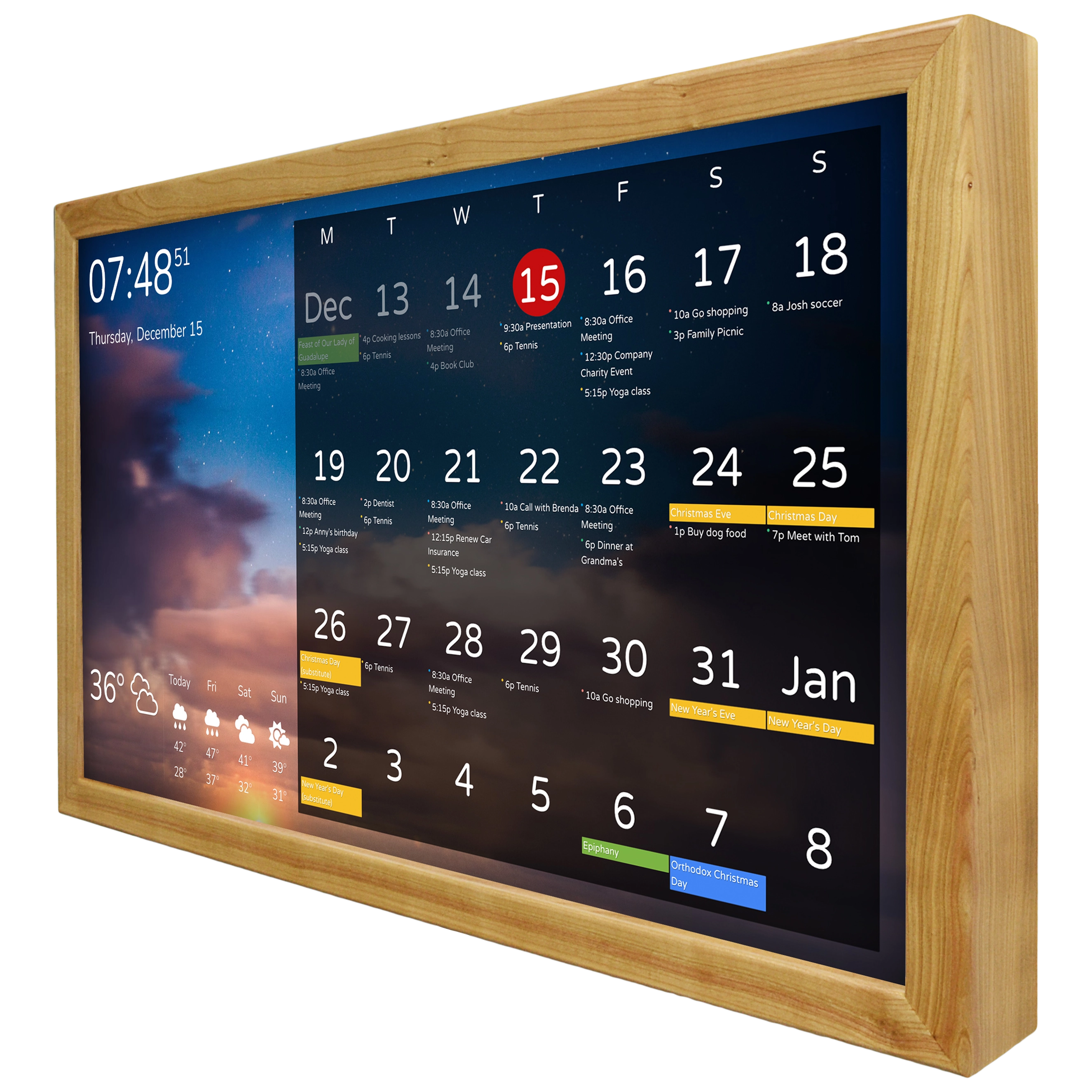
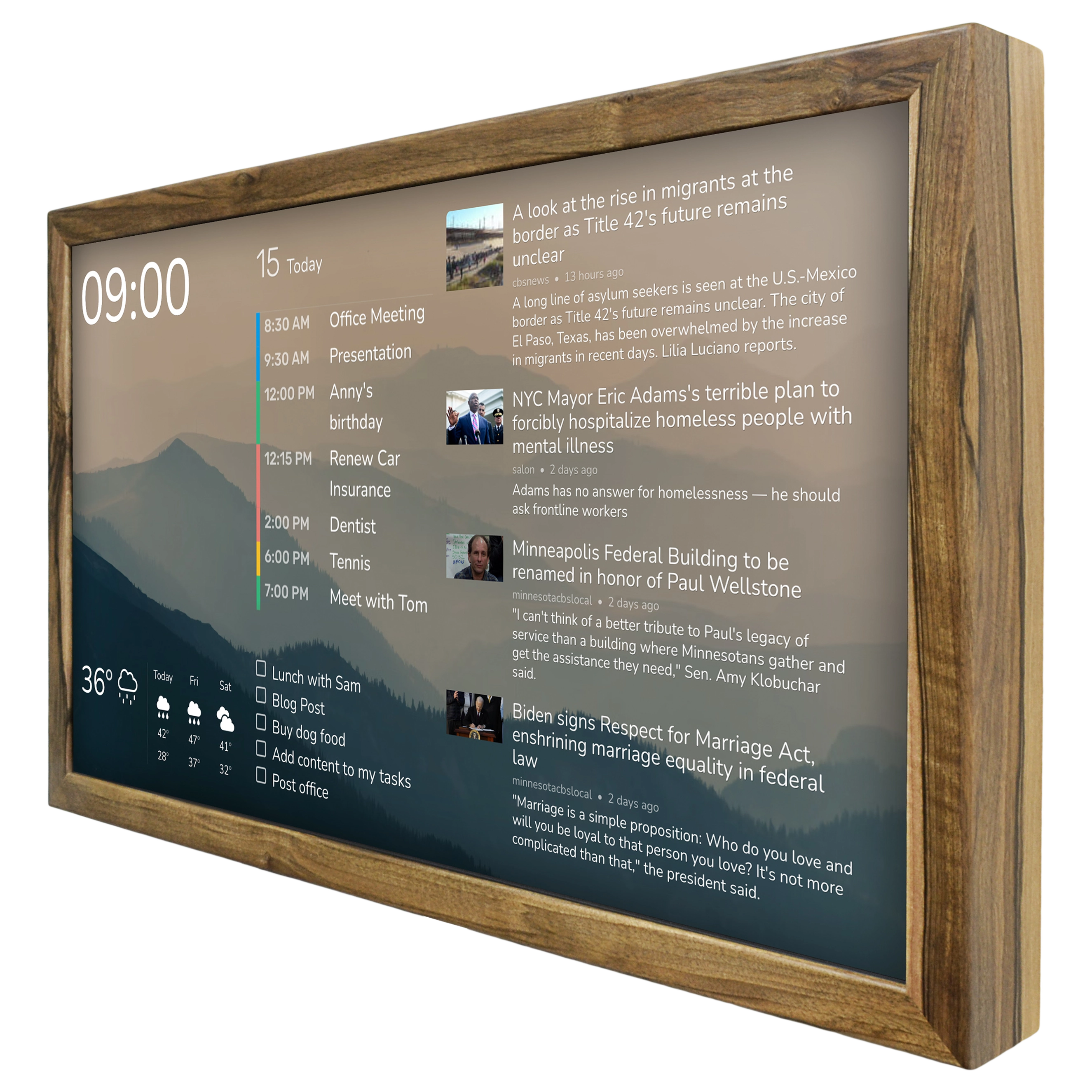
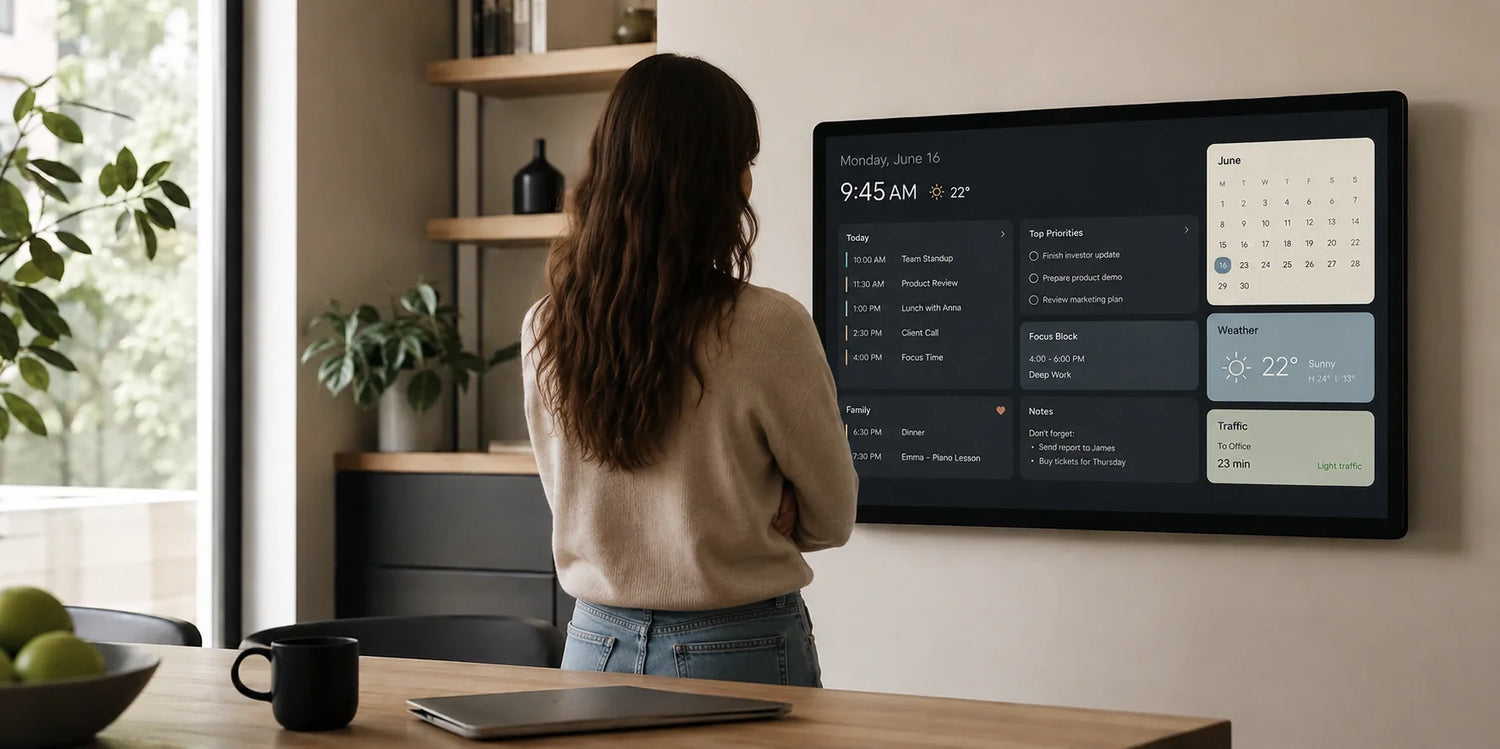
Der digitale Planer im Jahr 2026 sollte nicht einfach ein Kalender sein. Der digitale Planer im Jahr 2026 sollte nicht bloß eine Aufgabenliste sein. Er sollte zu einem Sichtbarkeitssystem werden: einem System, das nicht nur offenbart, was geplant ist, sondern auch, was verdrängt wird, was kollidiert, was an Priorität verliert und was zu lange unsichtbar bleibt.
Ein solcher digitaler Planer sollte nicht nach Aufmerksamkeit schreien. Er sollte eine Wand nicht in die Kommandozentrale eines Raumschiffs verwandeln. Er sollte nicht versuchen, alles anzuzeigen. Im Gegenteil, seine Stärke liegt in der selektiven Sichtbarkeit – darin, nur das zu zeigen, was es verdient, vor Augen zu bleiben, und Ihnen die Entscheidung zu überlassen, was das ist.
Die heutigen höchsten Prioritäten.
Anstehende Meetings.
Freie Fokus-Fenster.
Familien- oder Team-Events.
Kontext: Wetter, Verkehr, Lieferungen, Erinnerungen.
Konflikte: was sich überschneidet, was immer wieder verzögert wird, was eine Entscheidung erfordert.
Eine zentrale Frage für den Tag: Was darf heute nicht aus dem Blickfeld verschwinden?
Das ist keine Fantasie über eine Zukunft, in der KI das menschliche Leben kontrolliert. In vielerlei Hinsicht ist es das Gegenteil. Ein guter digitaler Planer sollte den Menschen helfen, ihre eigenen Entscheidungen wieder zu sehen. Ein guter digitaler Planer sollte die Kontrolle nicht wegnehmen – er sollte sie zurückgeben.
KI kann einen Zeitplan neu organisieren. Aber KI versteht nicht immer, warum ein bestimmter Abend wichtig ist.
Ein Task-Manager kann eine Aufgabe speichern. Aber er zeigt nicht immer, dass die Aufgabe chronisch verschoben wurde.
Ein Kalender kann ein Meeting annehmen. Aber er zeigt nicht immer den Preis, den man für ein Ja zahlt.
Ein digitaler Planer kann präzise sein. Aber Präzision ohne Sichtbarkeit garantiert keine Kontrolle.
Ein digitaler Planer kann funktional sein. Aber Funktionalität ohne Aufmerksamkeit wird irgendwann zu einem Archiv von Absichten.
Deshalb verändert das dedizierte Display nicht nur die Oberfläche, sondern die Rolle des Produkts selbst.
Eine Anwendung ist ein Ort, den man aktiv betritt.
Ein Display ist ein Ort, der bereits neben Ihnen ist.
Eine Anwendung fordert Handlung.
Ein Display schafft Präsenz.
Eine Anwendung konkurriert um Aufmerksamkeit.
Ein Display gibt Aufmerksamkeit zurück.
Wenn der digitale Planer nur als App existiert, hängt er von Ihrer Disziplin ab. Wenn der digitale Planer in den sichtbaren physischen Raum verschoben wird, wird er zu einer sanften externen Einschränkung. Er erzwingt kein Verhalten. Er offenbart stillschweigend die Realität. Oft reicht das allein aus, um eine Entscheidung zu ändern.
Sie sehen, dass der Tag bereits mit Meetings überladen ist – und beschließen, kein weiteres unnötiges hinzuzufügen.
Es macht sichtbar, dass Ihr Fokus-Block der einzige an diesem Tag verfügbare ist – und Sie schützen ihn.
Eine klare und deutliche Botschaft, dass ein Familienereignis wieder einmal bedroht ist – und Sie könnten den Abendanruf ablehnen.
Man sieht, dass eine wichtige Aufgabe zu lange unberührt geblieben ist – und man widmet ihr endlich echte Zeit.
Auf diese Weise wird der digitale Planer mehr als ein Planungstool. Er wird zu einer Möglichkeit, ein Gespräch mit sich selbst zu führen.
Der digitale Planer im Jahr 2026 hört auf, lediglich ein Produktivitätstool zu sein, und wird zu einem Werkzeug für Ehrlichkeit.
Für Unternehmen ist dies noch wichtiger.
Die Unternehmensstrategie scheitert selten, weil ein einziges Dokument fehlt. Häufiger löst sie sich durch Tausende kleiner Kalenderentscheidungen auf. Eine Führungskraft sagt, das Produkt sei wichtig, aber ihre Woche besteht ausschließlich aus Meetings ohne Agenda. Ein Team sagt, Fokus sei wichtig, doch niemand schützt lange, ununterbrochene Arbeitsblöcke. Ein Unternehmen behauptet, Kundenerfahrung sei wichtig, aber Support-Teams ertrinken in reaktiven Aufgaben. Eine Familie sagt, Abende seien wichtig, doch im Ökosystem der digitalen Planer-Apps verliert die Abendzeit ständig an dringende Anrufe.
Ein Zeitplan ist nicht nur ein Zeitplan.
Es ist Strategie, in die Zeit geschrieben.
Und wenn der digitale Planer diese Strategie nicht offenbart, erledigt er nur die Hälfte seiner Aufgabe.
Wenn der Plan auf einem dedizierten Display sichtbar wird, entsteht eine weitere Ebene der Verantwortlichkeit. Keine aggressive Verantwortlichkeit. Kein Unternehmensdruck. Keine auferlegte Kontrolle. Einfach visuelle Verantwortlichkeit. Das Team sieht, was den Tag ausfüllt. Die Familie sieht, was heute Abend, morgen und nächste Woche passiert. Ein Geschäftsinhaber sieht, wo noch Spielraum für Entscheidungen besteht. Eine Person sieht, womit ihr Leben tatsächlich gefüllt ist.
In diesem Sinne rückt der digitale Planer näher an ein Dashboard heran – allerdings kein Automobil- oder Analyse-Dashboard. Eher wie ein ruhiges Statusfenster. Es fordert nicht alle fünf Minuten Interaktion. Es verwandelt die Planung nicht in ein Spiel aus Strähnen, Punkten und alarmierenden roten Benachrichtigungen. Es zeigt einfach: Hier ist heute, hier ist, was wichtig ist, hier sind die Risiken, hier sind die freien Flächen, hier ist, was nicht wieder vergessen werden darf.
Wir sind nicht sofort zu diesem Schluss gekommen.
Zuerst war der Instinkt, jede verfügbare Funktion zu nutzen. Mehr Widgets, mehr Integrationen, mehr Einstellungen, mehr Anzeigemodi. Das ist eine natürliche technische Reaktion: Wenn Funktionalität existiert, nutze sie vollständig. Doch allmählich wurde klar, dass ein an der Wand montiertes digitales Planer-Display nicht durch die Anzahl der angezeigten Module gewinnt, sondern durch die Qualität der Auswahl. Ein digitaler Planer an der Wand wird nicht nützlich, wenn er alles anzeigt, sondern wenn er hilft zu verhindern, dass die wichtigen Dinge verschwinden.
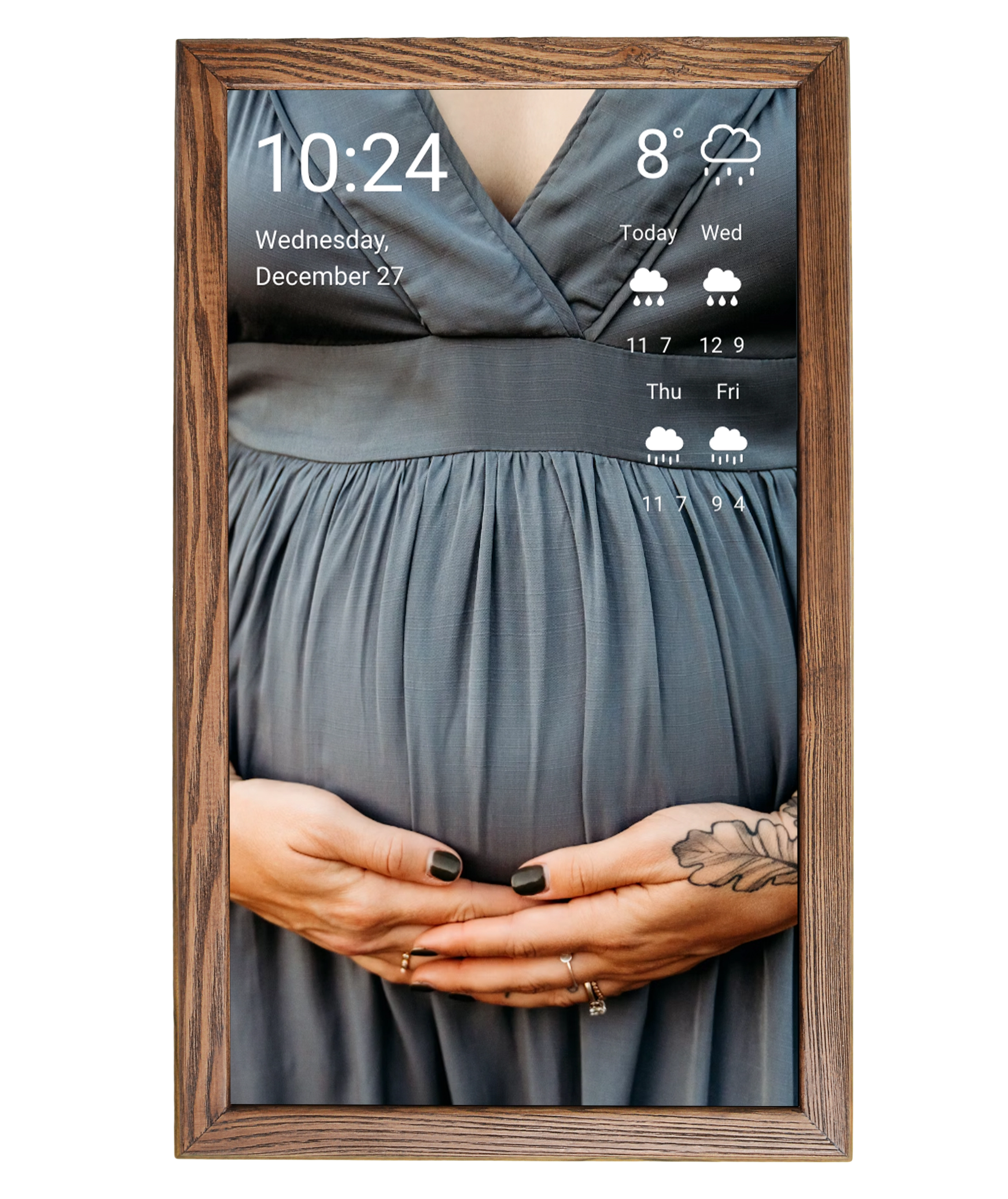
Für einen Haushalt könnte das der gemeinsame Familientag bedeuten: Arbeit, Schule, Termine, Lieferungen, Wetter, Abendessen, Erinnerungen an Sportgeräte.
Für einen Unternehmer: Prioritäten, Anrufe, Fokus-Blöcke, Kundenprobleme, finanzielle Fristen, persönliche Zeit.
Für ein Team: Besprechungsraumpläne, Schichten, wichtige Releases, Status und gemeinsamer Tageskontext.
Für einen Empfangsbereich: Besuche, Veranstaltungen, Benachrichtigungen, Wetterkontext und Gästeinformationen.
In jedem Szenario erfüllt der digitale Planer die gleiche Funktion: Er macht den Tag sichtbar.
Und in jedem Szenario löst der digitale Planer das gleiche Problem: Er schützt Prioritäten vor dem digitalen Lärm, der unweigerlich Telefone und Laptops begleitet.
Das führt zur zentralen Formel:
- Ein Plan, der in einem Telefon versteckt ist, lässt sich leicht ignorieren.
- Ein Plan, der in einem von zwanzig Browser-Tabs vergraben ist, geht leicht verloren.
- Ein Plan, der nur in einer Anwendung existiert, konkurriert mit allem anderen.
Aber ein Plan, der auf einem dedizierten digitalen Display platziert wird, wird Teil der Umgebung.
Und Umgebungen prägen das Verhalten weitaus stärker, als den meisten Menschen bewusst ist.
Eine Uhr an der Wand lässt Sie die Zeit häufiger wahrnehmen.
Eine sichtbare Einkaufsliste erhöht die Wahrscheinlichkeit, dass Sie diese weiter aktualisieren.
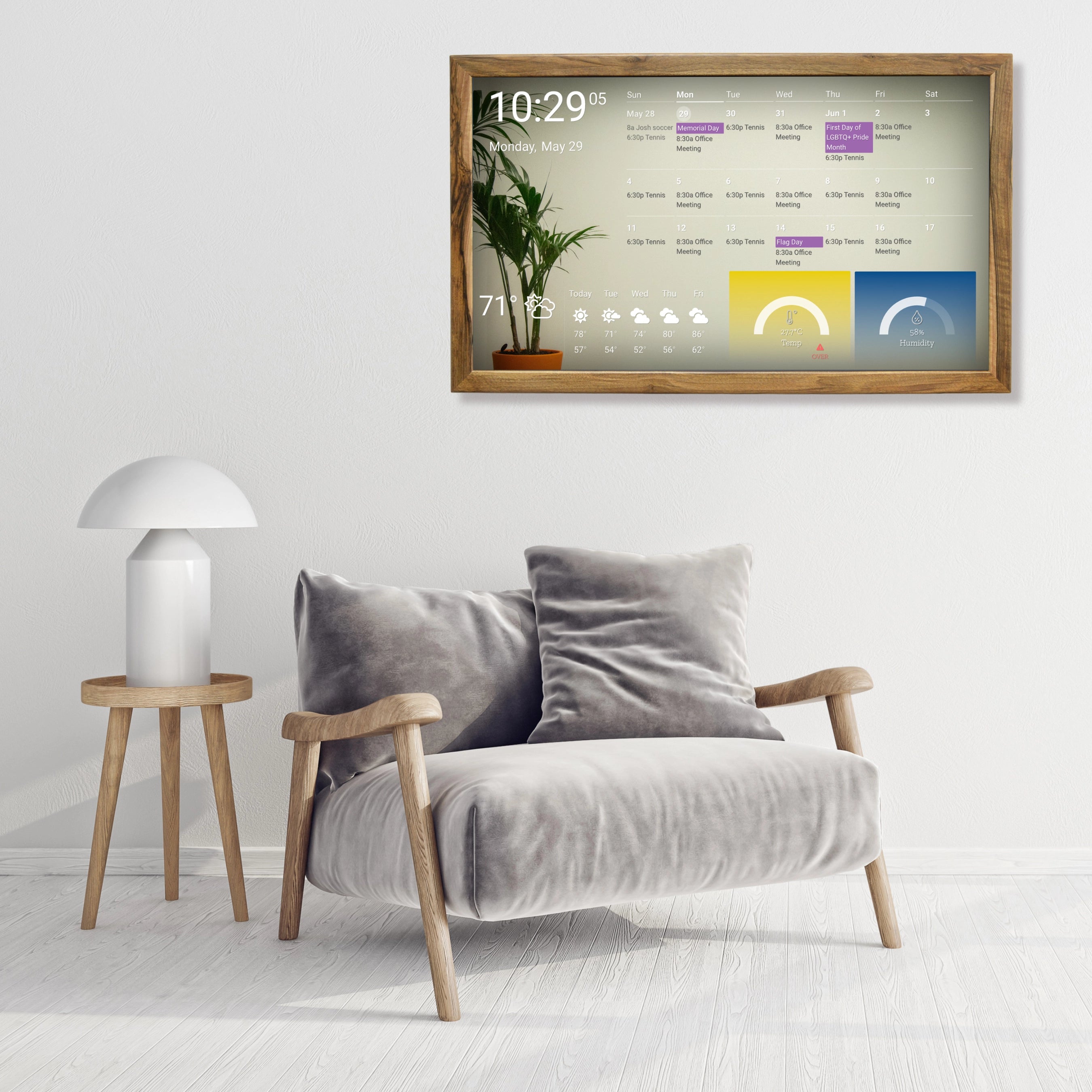
Wenn der Familienplan in der Küche hängt, wird er Teil des Bewusstseins aller – nicht nur des Bewusstseins der Person, die die App installiert hat.
Und sobald der digitale Planer für alle am Tag Beteiligten sichtbar bleibt, wird er ganz natürlich zu einem gemeinsamen Orientierungspunkt.
Sobald der digitale Planer nicht mehr hinter Tabs und Benachrichtigungen verborgen ist, beginnt er, als leiser, aber mächtiger Navigator zu fungieren.
Das ist natürlich keine Magie.
Ein dediziertes Display wird ein schlechtes Planungssystem nicht in ein gutes verwandeln. Es wird keine klaren Prioritäten, Disziplin, Managemententscheidungen oder Vereinbarungen innerhalb eines Teams oder einer Familie ersetzen. Es wird nicht die Notwendigkeit eliminieren, „Nein“ zu sagen. Es wird ein überladenes Leben nicht über Nacht in ein ruhiges verwandeln.
Aber es tut eines, was entscheidend wichtig ist: Es reduziert Selbsttäuschung und macht Ehrlichkeit einfacher.
Zu behaupten, man habe noch Zeit für Strategie, wird schwierig, wenn der digitale Planer deutlich sechs Stunden Besprechungen anzeigt.
Eine Aufgabe fühlt sich nicht mehr wirklich „wichtig“ an, sobald der digitale Planer offenbart, dass sie einen ganzen Monat lang verschoben wurde.
Zu sagen, der Abend sei frei, wird weniger überzeugend, wenn das Display bereits einen Konflikt anzeigt.
Und etwas zu vergessen, wird viel schwieriger, wenn es still vor den Augen bleibt.
Es gibt eine weitere Nuance, die Menschen oft unterschätzen. Die meisten Menschen leiden nicht unter vollständigem Chaos. Totales Chaos ist sichtbar, und deshalb versuchen die Menschen, es zu bekämpfen. Weitaus gefährlicher ist die organisierte Überlastung: Alles ist dokumentiert, synchronisiert, strukturiert und optimiert, doch innerhalb dieser Ordnung gibt es keinen freien Raum mehr für echte Wahlmöglichkeiten.
Diese Art von Ordnung sieht professionell aus. Sie kann bei Besprechungen präsentiert werden. Sie kann exportiert, geteilt und diskutiert werden. Aber sie hilft nicht unbedingt, besser zu leben oder zu arbeiten. Manchmal lässt sie die Überlastung einfach ästhetisch ansprechender aussehen.
Deshalb sollte ein guter digitaler Planer unbequeme Fragen stellen. Nicht „was sollten wir noch hinzufügen?“, sondern „was sollten wir entfernen?“. Nicht „wo können wir noch ein Meeting unterbringen?“, sondern „warum existiert dieses Meeting überhaupt?“. Nicht „wie füllen wir den freien Slot?“, sondern „sollte er frei bleiben?“
Für Unternehmen ändert dies die Diskussionssprache selbst. Zeit hört auf, eine abstrakte Ressource zu sein. Sie wird zu sichtbarem Material – dem Material, aus dem Produkte, Dienstleistungen, Kundenbeziehungen und das Privatleben von Gründern aufgebaut werden. Wenn dieses Material in Schnittstellen verborgen bleibt, lässt es sich leicht ausgeben, ohne den Verlust zu spüren. Sobald es in den sichtbaren Raum verschoben wird, werden Entscheidungen weniger automatisch.
Deshalb ist die Geschichte eines dedizierten Displays keine Geschichte über Hardware um der Hardware willen. Es ist eine Geschichte über die Grenze zwischen Absicht und Verhalten. Absichten können in jede App geschrieben werden. Das Verhalten ändert sich nur, wenn diese Absichten lange genug sichtbar bleiben.
Es ist wichtig zu verstehen, dass kein Gerät eine reife Betriebskultur ersetzen kann. Es wird kein Unternehmen reparieren, in dem jede Aufgabe dringend und jedes Meeting obligatorisch ist. Es wird Führungskräften nicht beibringen, wie man delegiert. Es wird die Menschen nicht zwingen, Verpflichtungen gegenüber ihren Familien einzuhalten. Aber es kann Probleme früher sichtbar machen – bevor sie zu Erschöpfung, Irritation oder verpassten Fristen werden.
In diesem Sinne ist die Idee relativ einfach: weniger versteckte Planung, mehr sichtbarer Kontext. Weniger Umschalten, mehr ruhige Orientierung. Weniger Abhängigkeit vom Gedächtnis, mehr äußere Klarheit.
Und wenn jemand, der morgens am Display vorbeigeht, nicht nur eine Liste von Ereignissen sieht, sondern ein ehrliches Bild des Tages, bekommt er die Chance, mindestens eine Entscheidung zu ändern. Manchmal genügt das allein. Eine abgelehnte Einladung. Eine geschützte Stunde konzentrierter Arbeit. Ein Abend ohne einen weiteren unnötigen Anruf. Eine Aufgabe, die endlich von einer Liste in eine tatsächlich zugewiesene Zeit verschoben wurde.
Das ist nicht der Beginn einer Produktivitätsrevolution. Es ist der Beginn einer reiferen Form der Aufmerksamkeit.
Dieses letzte Kriterium ist besonders wichtig für ein Produkt, das jeden Tag verwendet werden soll. Es sollte keine heldenhafte Disziplin erfordern. Wenn ein System nur dann nützlich ist, wenn eine Person es perfekt von Hand pflegt, wird es schnell zu einer weiteren Verpflichtung. Das bedeutet, dass das Design ruhig, selektiv und geduldig bleiben muss. Genug zeigen, aber nicht alles. Vorschlagen, aber nicht befehlen. Erinnern, aber nicht irritieren. Das Gefühl der Kontrolle bewahren, anstatt Schuldgefühle zu verstärken – selbst an schwierigen Tagen.
Das ist die wahre Reife des digitalen Planers im Jahr 2026.
Es geht nicht darum, mehr Automatisierung hinzuzufügen.
Es geht nicht darum, eine weitere endlose Liste zu erstellen.
Auch geht es nicht darum, „10-fache Produktivität“ zu versprechen.
Sein eigentlicher Zweck ist viel einfacher: Menschen dabei zu helfen, den Tag zu sehen, bevor der Tag verschwindet.
Der digitale Planer muss leiser und ehrlicher werden.
Planung muss sich von „Ich habe das irgendwo aufgeschrieben“ zu „Ich kann sehen, wie das meinen Tag prägt“ entwickeln. Der digitale Planer muss weniger versteckt und räumlicher werden.
Und sobald das passiert, hört das dedizierte digitale Display auf, ein Accessoire zu sein.
Es wird zum letzten freien Fenster: ein Ort, an dem der Tag noch gesehen werden kann, bevor er von den Prioritäten anderer Menschen vereinnahmt wird.
Vielleicht ist das der nächste Schritt.
Ziel ist es nicht, lediglich einen weiteren Kalender zu synchronisieren.
Es geht nicht darum, ein weiteres Widget zu einer bereits überladenen Oberfläche hinzuzufügen.
Es geht auch nicht darum, einfach Wetterinformationen neben eine Aufgabenliste zu stellen.
Die eigentliche Idee ist, einen ruhigen Raum zu schaffen, in dem der digitale Planer einer Person, einer Familie oder einem Team hilft, mit dem verbunden zu bleiben, was wirklich zählt.
Denn bis 2026 haben die Menschen bereits genug Bildschirme, die sie ablenken sollen.
Was sie brauchen, ist ein digitales Display, das die Aufmerksamkeit wiederherstellt.
Und wenn der digitale Planer das Geplante anzeigt, dann offenbart ein dediziertes Display, das diesen digitalen Planer betreibt, noch etwas anderes: ob Sie tatsächlich bereit sind, nach diesem Plan zu leben.
Ein Plan, den Sie nicht sehen können, ist kein echter Plan. Es ist Hoffnung.
Und ein guter digitaler Planer sollte die wichtigen Dinge niemals auf der Ebene der Hoffnung belassen. Ein guter digitaler Planer sollte die wichtigen Dinge sichtbar machen.
Wir haben es für uns und für alle gemacht. Über den untenstehenden Link können Sie verschiedene digitale Display-Optionen von 10" bis 32" erkunden.